

Deck construction is the process of designing and building an outdoor platform that extends from your home, typically made from wood or composite materials. A well-built deck enhances your living space, increases property value, and creates a comfortable outdoor environment for relaxation and entertainment.
A proper deck construction guide is essential because building a deck involves structural planning, material selection, safety compliance, and long-term durability considerations. Without a clear plan, you risk structural instability, premature wear, and costly repairs. A strong foundation, correct spacing, and weather-resistant materials ensure your deck lasts for years with minimal maintenance.
Key Components of a Deck Structure
Every deck consists of several essential components that work together to create a stable and functional structure. These include the foundation (footings), support posts, beams, joists, decking boards, and railing systems.
Footings provide stability by anchoring the deck into the ground, while beams and joists form the structural frame that supports the decking surface. The decking boards create the visible walking area, and railings add safety and aesthetic appeal. Understanding how these parts interact is crucial to building a deck that is both safe and visually appealing.
Planning Your Deck Construction Project
Choosing the Right Deck Design
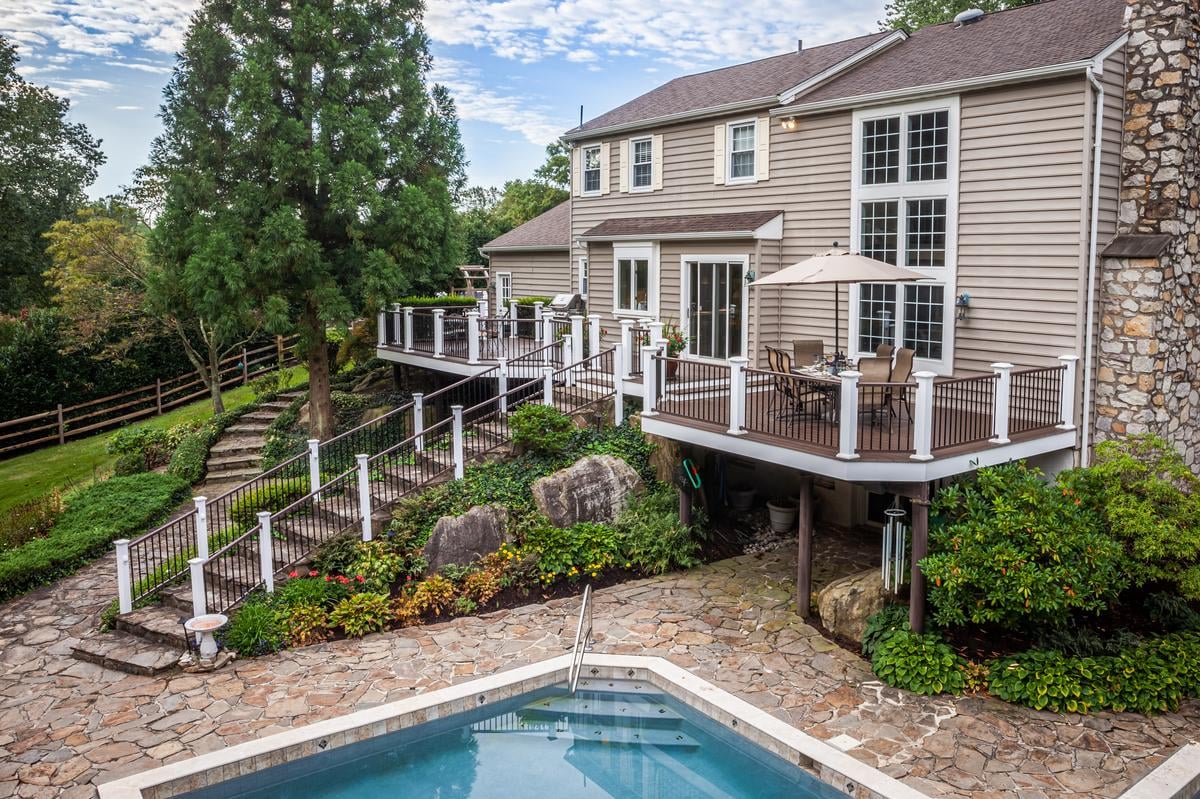
Before starting construction, you need to determine the design that suits your home and lifestyle. Deck designs vary from simple ground-level platforms to multi-level decks with built-in seating and lighting.
Consider factors such as available space, intended use, and climate conditions. For example, if you live in a rainy region, you may want to incorporate drainage systems or choose moisture-resistant materials. A well-thought-out design ensures functionality while maximizing aesthetic appeal.
Permits and Local Building Codes
One of the most overlooked aspects of deck construction is compliance with local building regulations. Most regions require permits for deck construction, especially for elevated structures.
Following building codes ensures safety and prevents legal issues. Codes typically specify requirements for railing height, load capacity, and spacing between structural elements. Always check local regulations before starting your project to avoid costly delays or modifications.
Selecting the Best Materials for Deck Construction
Wood Decking vs Composite Decking
Choosing the right material is one of the most important decisions in deck construction. Traditional wood decking, such as cedar or pressure-treated lumber, offers a natural look and affordability.
Composite decking, on the other hand, is made from a blend of wood fibers and plastic. It is highly durable, resistant to moisture, and requires minimal maintenance. While it has a higher upfront cost, its long-term durability often makes it a more cost-effective option.
Fasteners, Hardware, and Finishes
In addition to decking boards, you need high-quality fasteners and hardware to ensure structural integrity. Stainless steel screws and hidden fastener systems are commonly used for durability and aesthetics.
Finishes such as sealants, stains, and paints protect the deck from weather damage. Applying a protective coating extends the lifespan of your deck and maintains its appearance over time.
Essential Tools for Deck Construction
Basic Tools Every Builder Needs
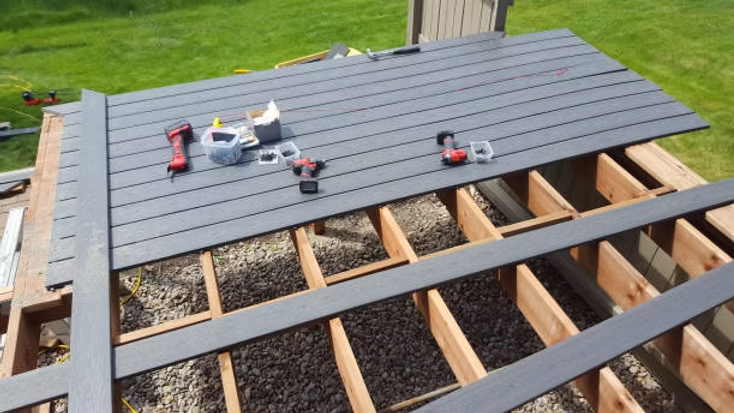
Building a deck requires a set of essential tools, including a circular saw, drill, level, measuring tape, and hammer. These tools help you cut, assemble, and align structural components accurately.
Precision is critical in deck construction, as even small measurement errors can affect the stability of the entire structure. Investing in high-quality tools ensures better results and reduces the risk of mistakes.
Advanced Tools for Professional Results
For more complex projects, advanced tools such as miter saws, laser levels, and power sanders can significantly improve efficiency and accuracy.
These tools allow for cleaner cuts, precise alignment, and smoother finishes. While they may require a higher investment, they can save time and improve the overall quality of your deck.
Step-by-Step Deck Construction Process
Preparing the Site and Foundation
The first step in building a deck is preparing the site. This involves clearing the area, leveling the ground, and marking the layout. Proper site preparation ensures a stable foundation.
Next, install concrete footings to support the deck structure. The depth and spacing of footings depend on the size and weight of the deck. A solid foundation prevents shifting and ensures long-term stability.
Building the Frame and Installing Decking Boards
Once the foundation is ready, construct the frame using beams and joists. Ensure that all components are level and securely fastened.
After the frame is complete, install the decking boards. Maintain consistent spacing between boards to allow for expansion and drainage. Secure the boards using screws or hidden fasteners for a clean finish.
Real-World Product Examples for Deck Construction
Trex Composite Decking Boards
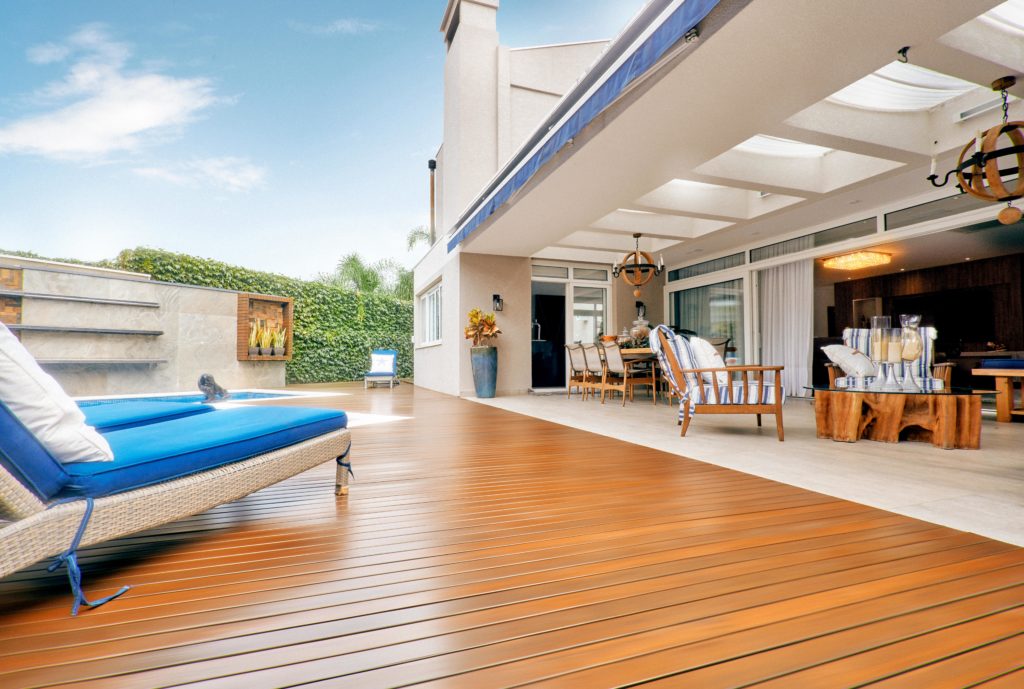
Trex is one of the most popular composite decking brands known for its durability and low maintenance. These boards are resistant to fading, staining, and mold, making them ideal for outdoor use.
Using Trex decking eliminates the need for regular staining or sealing. This makes it a practical choice for homeowners who want a long-lasting deck without ongoing maintenance.
Use Case: Ideal for busy homeowners who want a premium-looking deck without frequent upkeep. It solves the problem of weather damage and maintenance costs.
Simpson Strong-Tie Deck Fasteners
These fasteners are engineered for strength and reliability. They provide secure connections between structural components, ensuring the deck remains stable under heavy loads.
High-quality fasteners reduce the risk of structural failure and improve safety. They are essential for both DIY builders and professionals.
Use Case: Perfect for ensuring structural integrity, especially in elevated decks where safety is critical.
DEWALT Circular Saw
A reliable circular saw is essential for cutting decking boards and framing materials. DEWALT saws are known for their precision and durability.
This tool allows for clean and accurate cuts, which are crucial for achieving a professional finish.
Use Case: Ideal for DIY builders who need accurate cuts and efficient performance during construction.
Rust-Oleum Deck Resurfacer
This product is designed to restore and protect deck surfaces. It fills cracks and provides a durable, weather-resistant coating.
Using a deck resurfacer extends the life of your deck and improves its appearance.
Use Case: Best for older decks that need restoration without complete replacement.
CAMO Hidden Deck Fasteners
Hidden fasteners create a clean, seamless deck surface by eliminating visible screws. They also improve safety by reducing tripping hazards.
These fasteners enhance the aesthetic appeal of your deck while maintaining strong connections.
Use Case: Ideal for homeowners who want a modern, polished deck appearance.
Benefits of Using Modern Deck Construction Technology
Improved Durability and Longevity
Modern materials and tools have significantly improved the durability of decks. Composite decking and advanced coatings protect against moisture, UV rays, and wear.
This means your deck can last for decades with minimal maintenance, saving time and money in the long run.
Enhanced Safety and Structural Integrity
Advanced fasteners and engineered components ensure stronger connections and better load distribution. This reduces the risk of accidents and structural failures.
Safety features such as slip-resistant surfaces and sturdy railings make decks safer for families and guests.
How to Buy Deck Construction Materials and Tools
Where to Buy
You can purchase deck construction materials from home improvement stores, online retailers, and specialized suppliers. Popular platforms include official brand websites and large e-commerce marketplaces.
Buying directly from trusted brands ensures product authenticity and access to warranties.
Buying Tips
When purchasing materials, consider quality, durability, and compatibility. Always read product specifications and reviews before making a decision.
Compare prices across different platforms to find the best deals. Investing in high-quality materials may cost more initially but will save money in the long run.
Call to Action: Start Your Deck Project Today
Ready to build your dream deck?
Buy deck materials from trusted suppliers and start your project with confidence.
Frequently Asked Questions
How much does it cost to build a deck?
The cost of building a deck varies depending on size, materials, and design complexity. On average, a basic deck can cost a few hundred dollars, while premium decks with composite materials can cost significantly more.
What is the best material for a long-lasting deck?
Composite decking is generally the best choice for durability and low maintenance. However, high-quality wood can also last long with proper care.
Do I need a permit to build a deck?
In most cases, yes. Building permits are required for safety and compliance with local regulations. Always check your local building codes before starting construction.

Comments are closed.