

Siding is one of the most critical components of a home’s exterior. It acts as the first line of defense against weather elements such as rain, heat, wind, and humidity. Beyond protection, siding also defines a property’s visual appeal, influencing both aesthetic value and market price. Choosing the best siding material is not simply about appearance; it directly impacts durability, maintenance costs, insulation, and long-term investment value.
Modern siding materials come in various types, each engineered with unique technologies and benefits. From traditional wood siding to advanced fiber cement and vinyl solutions, homeowners now have access to materials that combine beauty with performance. Understanding these materials helps homeowners make informed decisions that align with their climate, budget, and design preferences.
Types of Siding Materials and Their Key Characteristics
Vinyl Siding
Vinyl siding is one of the most popular choices due to its affordability and low maintenance. Made from PVC (polyvinyl chloride), vinyl siding is resistant to moisture, pests, and rot. It is available in a wide range of colors and styles, including options that mimic wood grain textures.
One of the main advantages of vinyl siding is its ease of installation and minimal upkeep. Unlike wood, it does not require painting or sealing. However, while it performs well in most climates, extreme heat can cause warping, and lower-quality products may fade over time.
Fiber Cement Siding
Fiber cement siding is a premium option known for its durability and versatility. It is composed of cement, sand, and cellulose fibers, creating a material that mimics wood, stone, or brick while offering superior resistance to fire, insects, and weather damage.
This type of siding is ideal for homeowners seeking long-term performance with a high-end appearance. Although it requires professional installation and has a higher upfront cost, its longevity and low maintenance make it a cost-effective solution over time.
Wood Siding
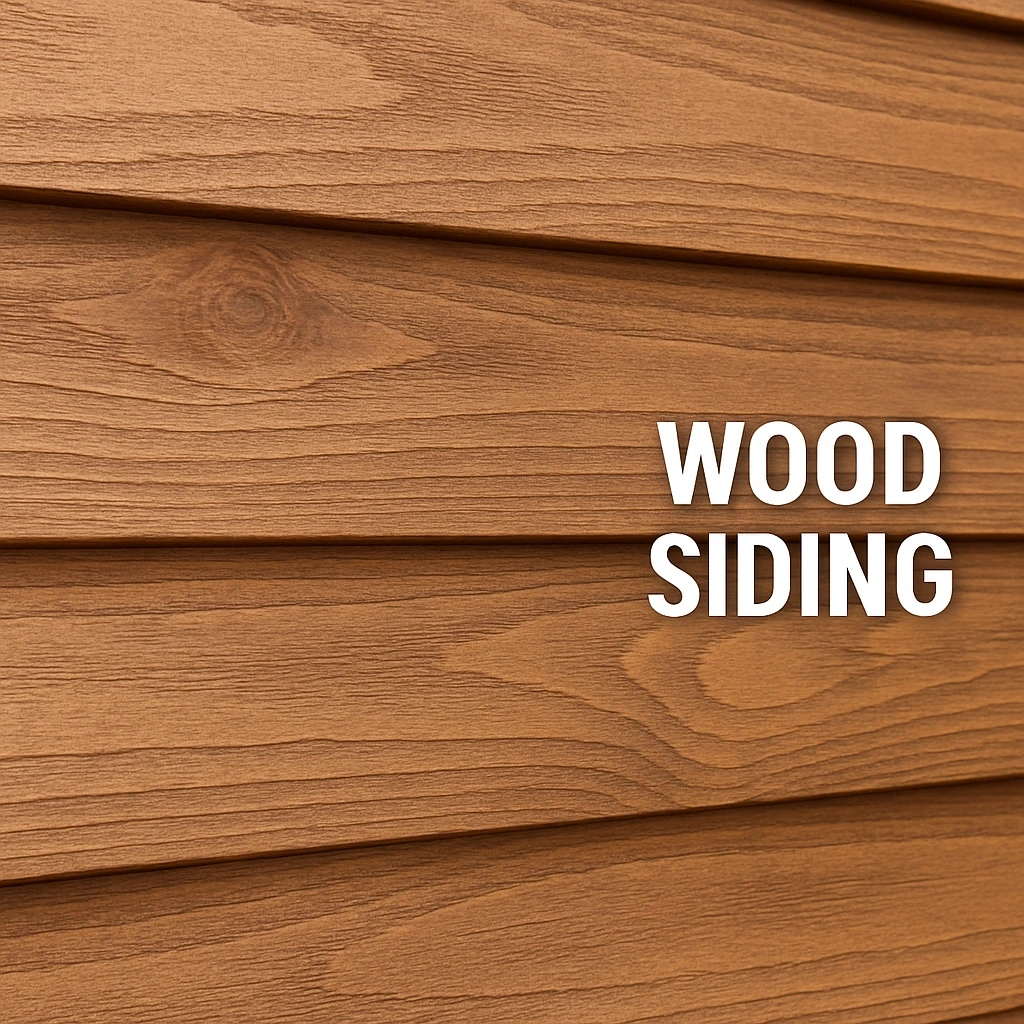
Wood siding offers a timeless and natural look that many homeowners desire. Available in styles such as clapboard, shingles, and board-and-batten, wood siding provides unmatched aesthetic warmth.
However, wood requires regular maintenance, such as painting or staining, to protect it from moisture, pests, and decay. While it delivers premium visual appeal, it may not be the most practical choice in humid or high-maintenance environments.
Metal Siding
Metal siding, typically made from aluminum or steel, is known for its durability and modern appearance. It is resistant to fire, insects, and extreme weather conditions, making it a strong choice for industrial and contemporary homes.
While metal siding is low maintenance, it can be prone to dents and may require insulation to improve energy efficiency. Its sleek finish is often preferred in modern architectural designs.
Engineered Wood Siding
Engineered wood siding combines the beauty of real wood with enhanced durability. It is manufactured using wood fibers and resin, resulting in a product that resists moisture, pests, and decay better than traditional wood.
This material is lighter and easier to install than fiber cement, making it a practical alternative for homeowners seeking a balance between aesthetics and performance.
Benefits of Choosing the Best Siding Material
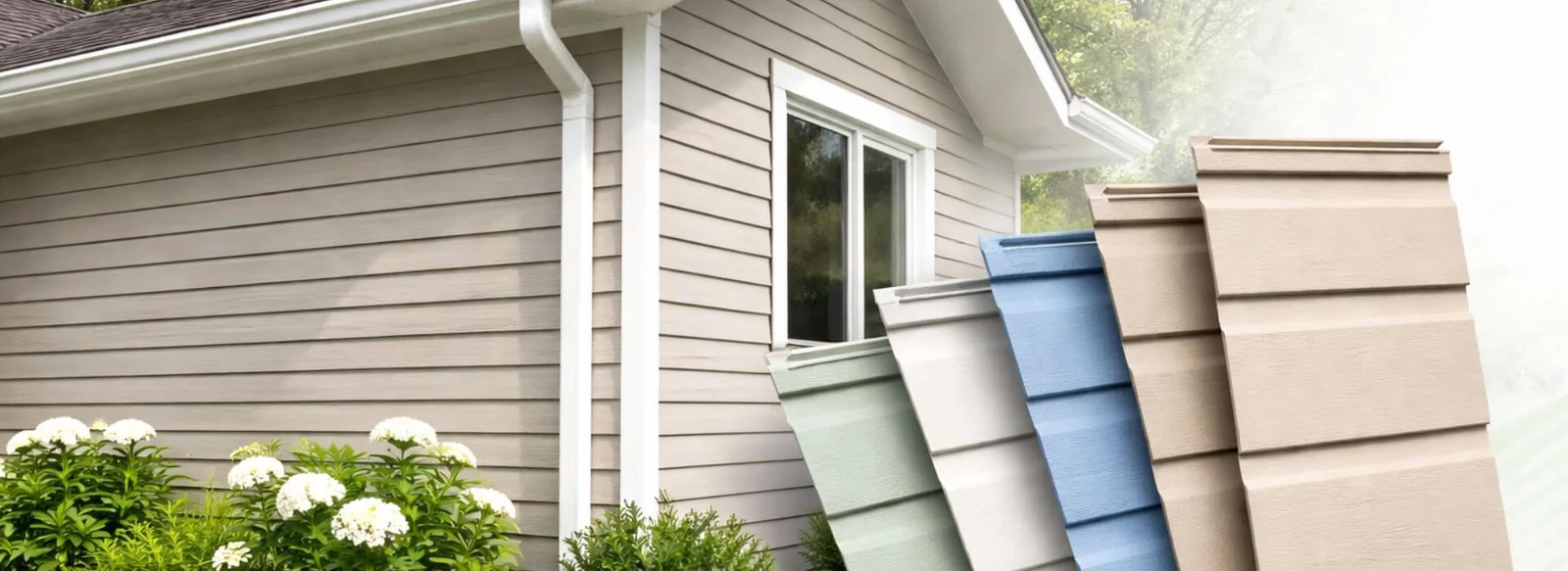
Selecting the right siding material goes beyond appearance. It directly influences energy efficiency, property value, and long-term maintenance.
High-quality siding improves insulation by reducing heat transfer, helping homeowners lower energy bills. Advanced materials like insulated vinyl and fiber cement contribute to better indoor temperature control, especially in extreme climates.
Durability is another major benefit. Premium siding materials are designed to withstand harsh weather conditions, including heavy rain, UV exposure, and strong winds. This reduces the need for frequent repairs and replacements, saving money over time.
Additionally, siding enhances curb appeal. A well-chosen exterior can significantly increase property value and attract potential buyers. Homes with modern, durable siding often sell faster and at higher prices.
Real-World Product Examples of Siding Materials
James Hardie Fiber Cement Siding
James Hardie is one of the most recognized brands in fiber cement siding. Their products are engineered for specific climates, ensuring optimal performance regardless of environmental conditions. The siding is resistant to fire, pests, and moisture, making it ideal for long-term use.
This product is particularly beneficial for homeowners looking for a premium, low-maintenance solution. It replicates the look of wood while eliminating common issues such as rot and warping.
CertainTeed Vinyl Siding
CertainTeed offers high-quality vinyl siding with advanced color retention technology. Their products are designed to resist fading and cracking, even under prolonged sun exposure.
This siding is perfect for homeowners who want an affordable yet durable option. It provides excellent weather resistance while requiring minimal maintenance.
LP SmartSide Engineered Wood Siding
LP SmartSide is an engineered wood siding known for its strength and impact resistance. It uses treated wood strands to enhance durability and protect against fungal decay and termites.
This product is ideal for homeowners who love the look of wood but want improved performance and reduced maintenance requirements.
Alside Steel Siding
Alside steel siding provides a modern and durable solution for exterior cladding. It is resistant to fire and extreme weather conditions, making it suitable for areas with harsh climates.
Its sleek appearance and long lifespan make it a strong choice for contemporary homes and commercial properties.
KWP Eco-Side Siding
KWP Eco-Side siding is an environmentally friendly option made from recycled wood fibers. It offers the appearance of traditional wood while providing enhanced resistance to moisture and impact.
This product is perfect for eco-conscious homeowners who want sustainable building materials without sacrificing performance.
Use Cases: Problems Siding Materials Can Solve
One of the most common problems homeowners face is exterior damage caused by weather exposure. High-quality siding materials protect against rain, UV rays, and temperature fluctuations, preventing structural damage and costly repairs.
Another issue is energy inefficiency. Poor insulation can lead to high energy bills. Insulated siding solutions help maintain indoor temperature, reducing heating and cooling costs.
Maintenance is also a major concern. Traditional materials like wood require frequent upkeep. Modern siding options such as vinyl and fiber cement eliminate the need for constant painting and repairs, saving time and effort.
For homeowners seeking aesthetic upgrades, siding offers an instant transformation. It allows customization of color, texture, and style, enhancing the overall look of the property.
Why People Need Premium Siding Materials
Premium siding materials provide long-term value by combining durability, efficiency, and aesthetics. They reduce maintenance costs, improve energy performance, and increase property value.
In today’s market, homeowners prioritize convenience and sustainability. Advanced siding technologies meet these demands by offering eco-friendly materials, improved insulation, and longer lifespans.
Investing in high-quality siding is not just about appearance; it is a strategic decision that impacts the comfort, safety, and financial value of a home.
How to Buy and Where to Buy Siding Materials
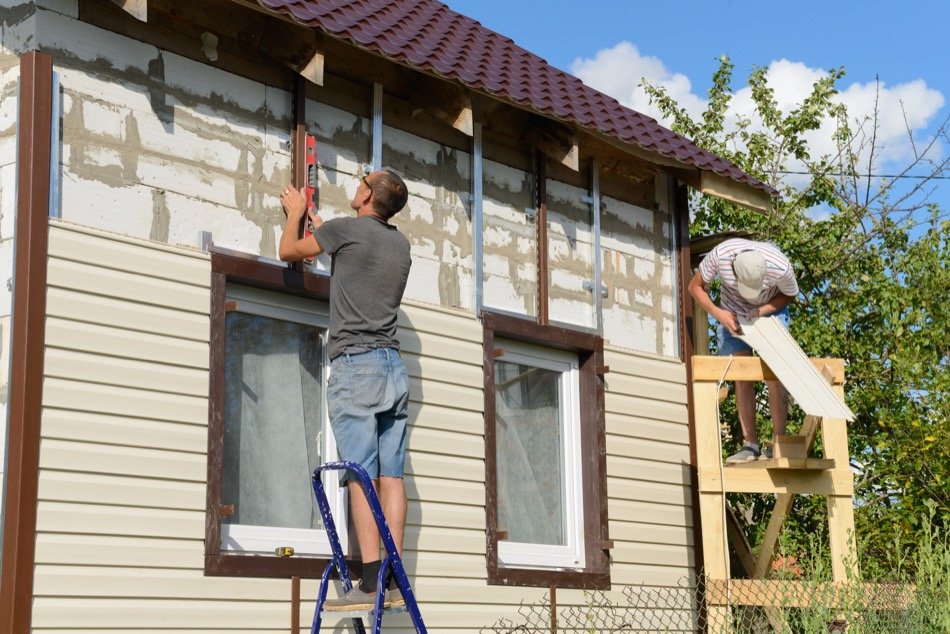
When purchasing siding materials, it is essential to consider factors such as climate compatibility, budget, and installation requirements. Consulting with professionals can help determine the best option for your specific needs.
You can purchase siding materials through official brand stores, home improvement centers, or authorized distributors. Always choose reputable sellers to ensure product authenticity and warranty coverage.
Frequently Asked Questions
What is the best siding material for long-term durability?
Fiber cement siding is often considered the best option for durability. It resists fire, pests, and weather damage, making it a long-lasting solution for most climates.
Which siding material requires the least maintenance?
Vinyl siding requires the least maintenance. It does not need painting and can be easily cleaned with water, making it ideal for busy homeowners.
Is premium siding worth the investment?
Yes, premium siding is worth the investment because it reduces maintenance costs, improves energy efficiency, and increases property value over time.

Comments are closed.