

Exterior paint peeling is one of the most common issues homeowners face. It not only affects the appearance of your property but also exposes surfaces to moisture, leading to structural damage over time. If not handled properly, peeling paint can escalate into costly repairs.
This comprehensive guide explains how to manage exterior paint peeling, the causes behind it, and the best tools and products to fix and prevent the issue effectively.
Understanding Exterior Paint Peeling
What Causes Exterior Paint Peeling
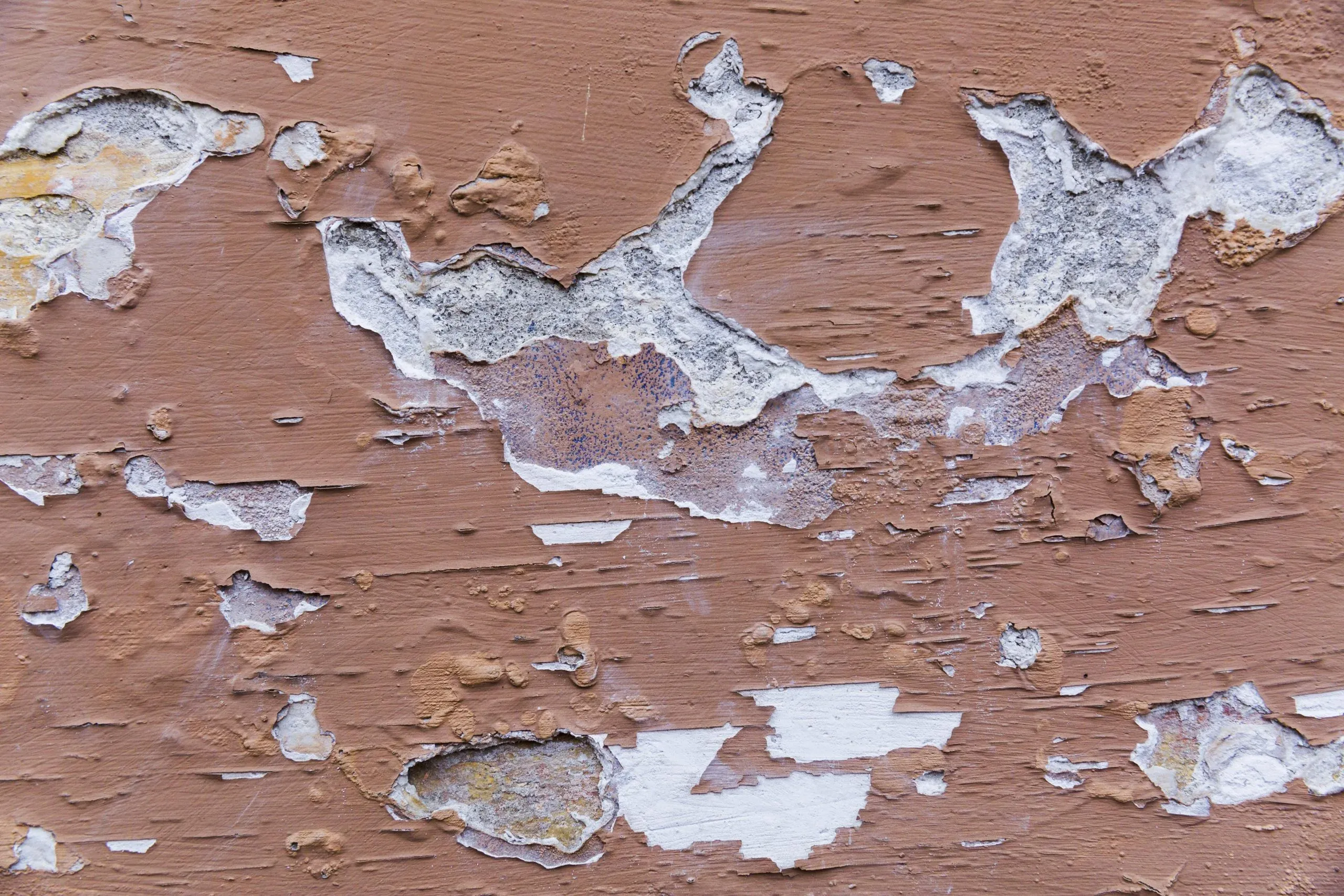
Paint peeling usually occurs due to poor adhesion between the paint and the surface. This can be caused by moisture infiltration, improper surface preparation, or using low-quality paint.
Environmental factors also play a major role. Constant exposure to sunlight, rain, and humidity weakens the paint layer over time. When moisture gets trapped beneath the paint, it causes bubbling and eventually peeling.
Why Immediate Action Is Important
Ignoring peeling paint can lead to serious problems such as wood rot, mold growth, and structural deterioration. Once the protective layer is compromised, your home becomes vulnerable to weather damage.
Taking immediate action not only restores your home’s appearance but also prevents long-term damage. Early repairs are always more affordable than extensive restoration projects.
Common Mistakes When Fixing Peeling Paint
Skipping Surface Preparation
One of the biggest mistakes is painting over peeling areas without proper preparation. This leads to poor adhesion and causes the new paint to peel again within a short time.
Proper preparation involves scraping off old paint, sanding the surface, and cleaning it thoroughly. This ensures that the new paint bonds effectively.
Using the Wrong Type of Paint
Not all paints are suitable for exterior surfaces. Using interior paint outdoors or choosing low-quality products can result in quick deterioration.
Exterior paints are designed to withstand harsh weather conditions. Choosing the right type ensures durability and long-lasting protection.
Best Tools and Products for Managing Exterior Paint Peeling
Below are real-world products that help fix and prevent exterior paint peeling effectively.
1. Paint Scraper Tool
A paint scraper is essential for removing loose and peeling paint from surfaces. It allows you to clean the affected area thoroughly before applying new paint.
This tool solves the problem of uneven surfaces and poor adhesion. Without proper scraping, new paint layers will not stick properly.
Benefits:
It ensures a smooth surface, improves paint adhesion, and reduces the chances of future peeling.
Use Case:
Ideal for homeowners dealing with flaking or bubbling paint on exterior walls.
How to Buy:
Available at hardware stores and online platforms.
2. Exterior Primer Sealer
Primer is a critical step in repainting. It creates a bonding layer between the surface and the paint, improving durability.
This product addresses adhesion issues and helps prevent moisture from penetrating the surface.
Benefits:
Enhances paint longevity, improves coverage, and reduces the risk of peeling.
Use Case:
Essential for repainting areas where paint has peeled or where surfaces are exposed.
How to Buy:
Available in home improvement stores and online.
3. High-Quality Exterior Paint
Investing in high-quality exterior paint is crucial for long-term results. These paints are formulated to resist weather, UV rays, and moisture.
This product solves the problem of frequent repainting by providing durable and long-lasting coverage.
Benefits:
Offers better protection, improved aesthetics, and reduced maintenance costs.
Use Case:
Perfect for homeowners looking to repaint their exterior walls and prevent future peeling.
How to Buy:
Available through online retailers and paint suppliers.
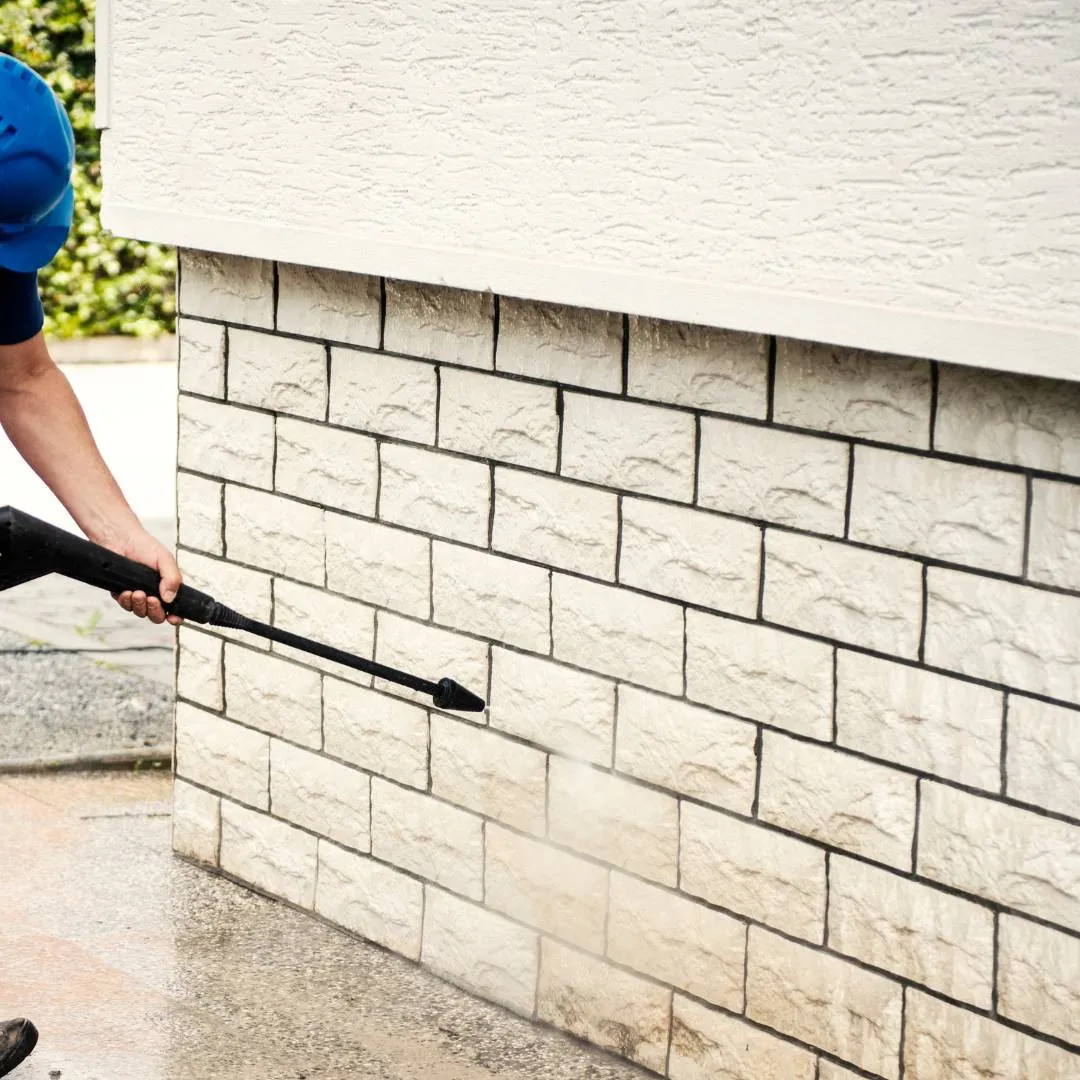
4. Power Washer Cleaner
A power washer is used to clean dirt, mold, and old paint residues from surfaces before repainting.
This tool solves the problem of surface contamination, which can prevent paint from adhering properly.
Benefits:
Provides deep cleaning, saves time, and prepares surfaces effectively.
Use Case:
Ideal for cleaning large exterior areas before painting.
How to Buy:
Available at hardware stores and online marketplaces.
5. Exterior Caulking Sealant
Sealants are used to fill cracks and gaps that allow moisture to enter surfaces.
This product addresses one of the main causes of paint peeling—water infiltration.
Benefits:
Prevents leaks, improves insulation, and enhances paint durability.
Use Case:
Used around windows, doors, and wall joints to seal gaps before painting.
How to Buy:
Available in most home improvement stores.
Step-by-Step Process to Fix Peeling Paint
Surface Preparation and Cleaning
Start by removing all loose paint using a scraper. After that, clean the surface thoroughly to remove dirt, dust, and mold.
A clean and smooth surface is essential for proper paint adhesion. Skipping this step can lead to repeated peeling.
Applying Primer and Paint
Once the surface is ready, apply a primer to create a strong base. Allow it to dry completely before applying paint.
Use high-quality exterior paint and apply it evenly. Multiple thin coats are better than one thick coat for durability.
Benefits of Using the Right Tools and Technology
Improved Durability and Longevity
Using the right tools and products significantly increases the lifespan of your paint. Proper preparation and high-quality materials ensure that the paint withstands harsh weather conditions.
This reduces the need for frequent repainting and lowers maintenance costs over time.
Enhanced Appearance and Property Value
A well-maintained exterior improves your home’s curb appeal. Fresh paint creates a clean and attractive look that increases property value.
It also reflects proper maintenance, which is important for long-term investment.
Preventing Future Paint Peeling
Regular Maintenance and Inspection
Inspect your exterior walls regularly for signs of damage or peeling. Early detection allows you to fix small issues before they become major problems.
Routine cleaning and maintenance also help extend the life of your paint.
Choosing Weather-Resistant Materials
Always use materials designed for exterior use. Weather-resistant paints and sealants provide better protection against environmental factors.
Investing in quality materials saves money in the long run by reducing repair frequency.
Frequently Asked Questions
What is the main cause of exterior paint peeling?
The main cause is moisture infiltration combined with poor surface preparation or low-quality paint.
Can I paint over peeling paint?
No, painting over peeling paint will not solve the problem. The surface must be cleaned and prepared properly first.
How long does exterior paint last?
High-quality exterior paint can last between 5 and 10 years, depending on environmental conditions and maintenance.

Comments are closed.