

Siding plays a crucial role in protecting your home from weather, moisture, and structural damage. However, improper installation can lead to serious problems such as leaks, warping, and costly repairs. Understanding the most common siding installation mistakes is essential, whether you’re planning a DIY project or hiring a contractor.
This guide explores key mistakes, how to avoid them, and the best products to ensure a professional and durable finish.
Understanding Siding Installation Basics
Why Proper Siding Installation Matters
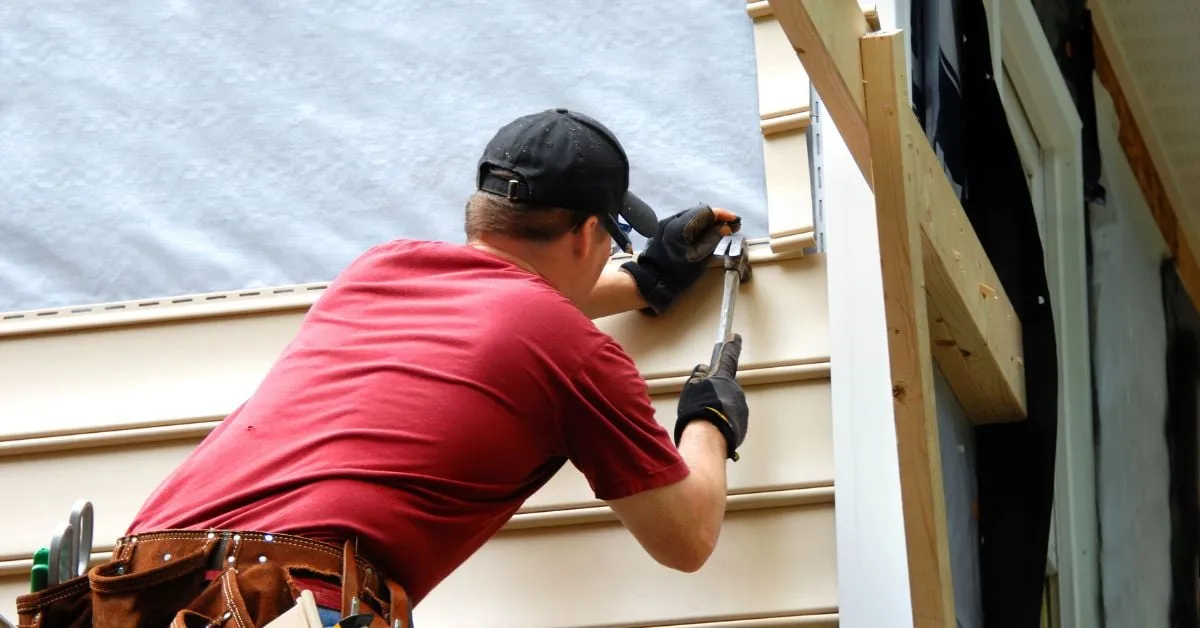
Siding is not just about aesthetics; it acts as the first line of defense against environmental elements. When installed correctly, siding prevents water infiltration, improves insulation, and enhances your home’s overall value.
Poor installation can compromise all these benefits. Even small errors like improper nailing or spacing can cause panels to expand incorrectly, leading to cracks or detachment over time.
Types of Siding Materials and Their Requirements
Different siding materials require different installation techniques. Vinyl siding needs room for expansion, while fiber cement requires precise cutting and sealing.
Understanding these material-specific requirements is essential to avoid common mistakes. Each material has its own guidelines for fastening, spacing, and moisture protection.
Most Common Siding Installation Mistakes

Improper Nailing Techniques
One of the most frequent mistakes is driving nails too tightly into siding panels. This prevents natural expansion and contraction, leading to warping and buckling.
Nails should be placed in the center of the nailing slot and not fully tightened. Leaving slight movement ensures that the siding can adapt to temperature changes without damage.
Ignoring Moisture Barriers
Failing to install a proper moisture barrier behind siding can result in water damage, mold growth, and structural issues. This mistake is often overlooked but can be extremely costly.
A weather-resistant barrier acts as a secondary layer of protection, preventing moisture from penetrating the wall structure while allowing vapor to escape.
Incorrect Panel Alignment
Misaligned siding panels not only look unprofessional but also create gaps that allow water and pests to enter. Even minor alignment issues can escalate into bigger problems over time.
Using a level and taking time to measure accurately ensures that panels are straight and evenly spaced, improving both appearance and performance.
Best Tools and Products for Proper Siding Installation
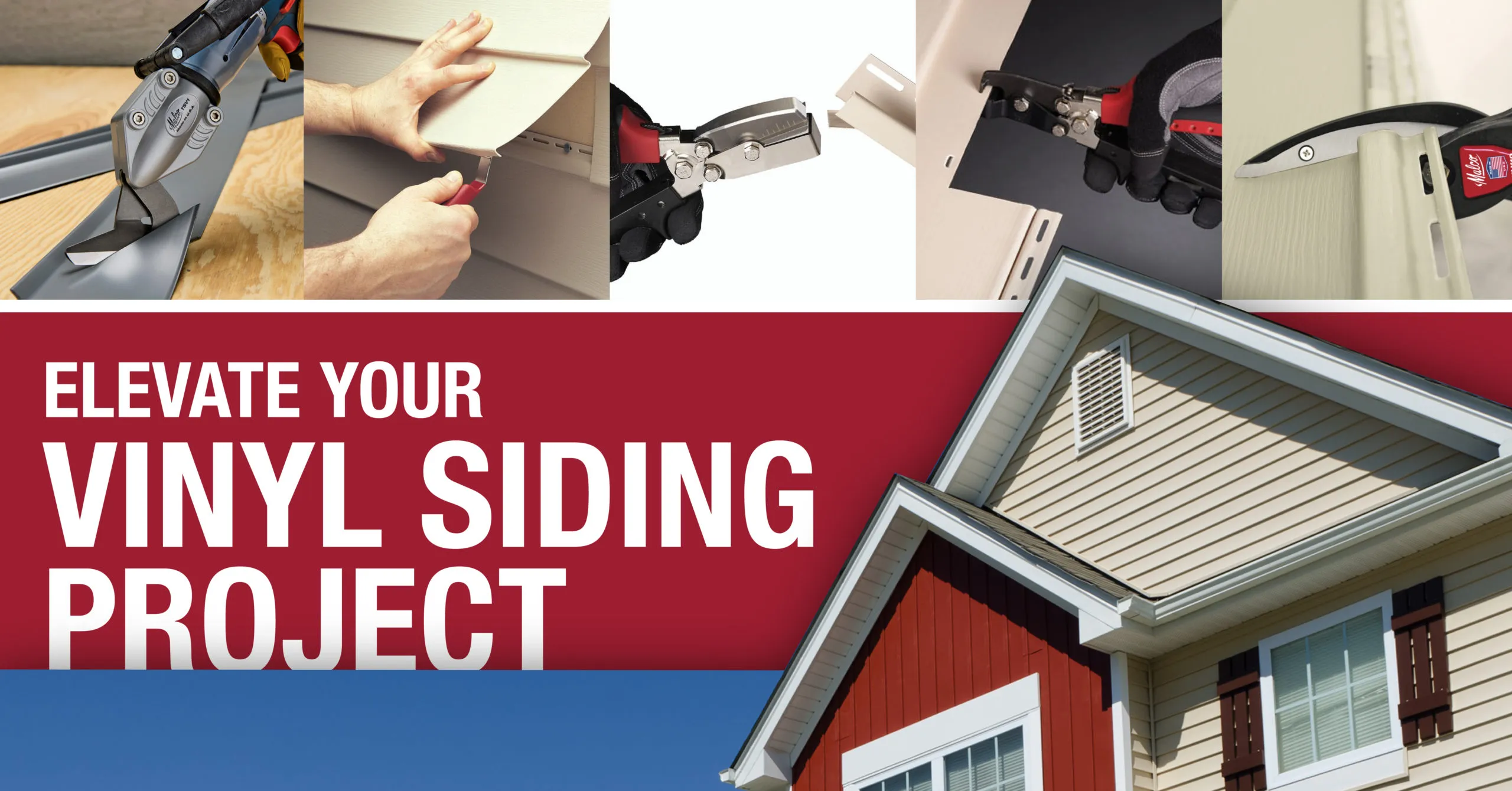
Below are real-world products that help prevent common siding installation mistakes and ensure professional results.
1. Vinyl Siding Installation Kit
This comprehensive kit includes essential tools such as a siding removal tool, snap lock punch, and measuring gauge. It is designed specifically for vinyl siding projects.
This product helps solve alignment and fastening issues by providing specialized tools that ensure accurate installation. It is especially useful for beginners who may not have experience handling siding materials.
Benefits:
It improves installation accuracy, reduces the risk of panel damage, and speeds up the overall process. With proper tools, even DIY users can achieve professional results.
Use Case:
Ideal for homeowners installing or repairing vinyl siding who want to avoid common mistakes like misalignment or improper locking of panels.
How to Buy:
Available at major home improvement stores.
2. House Wrap Moisture Barrier
A house wrap is a critical component in siding installation, protecting against moisture infiltration while allowing the structure to breathe.
This product addresses one of the most serious siding mistakes: lack of moisture protection. It acts as a shield that prevents water damage and mold growth.
Benefits:
It enhances durability, improves energy efficiency, and extends the lifespan of your siding system.
Use Case:
Essential for all siding installations, especially in regions with high humidity or frequent rainfall.
How to Buy:
Available in hardware stores and online platforms.
3. Fiber Cement Siding Cutter
Cutting fiber cement siding requires precision and the right equipment. This specialized cutter ensures clean and accurate cuts without damaging the material.
It solves the problem of uneven edges and material waste, which are common issues when using improper tools.
Benefits:
Provides clean cuts, reduces dust, and improves installation efficiency.
Use Case:
Perfect for contractors and DIY users working with fiber cement siding who need precise and professional results.
How to Buy:
Available through online retailers and tool suppliers.
4. Siding Nail Gun
A siding nail gun ensures consistent and accurate nailing, which is critical for proper siding installation.
This tool eliminates the risk of overdriving or underdriving nails, both of which can cause structural issues.
Benefits:
Improves speed, accuracy, and overall installation quality.
Use Case:
Ideal for large projects where manual nailing would be time-consuming and less precise.
How to Buy:
Available at hardware stores and online marketplaces.
5. Exterior Caulking Sealant
Sealants are essential for closing gaps and preventing water infiltration around edges and joints.
This product addresses gaps and sealing issues, which are common sources of leaks and damage.
Benefits:
Enhances weather resistance, improves insulation, and prevents long-term structural damage.
Use Case:
Used around windows, doors, and siding joints to ensure a watertight finish.
How to Buy:
Available in most home improvement stores.
How to Avoid Costly Installation Errors
Following Manufacturer Guidelines
Each siding product comes with specific installation instructions. Ignoring these guidelines can lead to warranty voids and performance issues.
Always read and follow the manufacturer’s recommendations carefully. This ensures compatibility and optimal performance.
Hiring Professionals When Necessary
While DIY projects can save money, complex siding installations may require professional expertise.
Hiring experienced contractors can prevent costly mistakes and ensure long-term durability. It is especially recommended for large or multi-story projects.
Benefits of Proper Siding Installation
Enhanced Home Protection
Properly installed siding protects your home from harsh weather conditions, including rain, wind, and extreme temperatures.
It acts as a barrier that prevents moisture infiltration and structural damage.
Increased Energy Efficiency
Well-installed siding improves insulation, reducing energy consumption and lowering utility bills.
It helps maintain indoor temperatures, making your home more comfortable year-round.
Frequently Asked Questions
What is the most common siding installation mistake?
The most common mistake is improper nailing, which prevents siding from expanding and contracting properly, leading to warping.
Can I install siding myself?
Yes, but it requires proper tools, knowledge, and attention to detail. Mistakes can be costly, so careful planning is essential.
How do I know if siding is installed correctly?
Check for straight alignment, proper spacing, secure but not tight nailing, and the presence of a moisture barrier behind the siding.

Comments are closed.