

Choosing between solid wood vs engineered wood furniture is one of the most important decisions when investing in home furnishings. Whether you’re buying a dining table, a bed frame, or a living room cabinet, the type of wood determines the durability, stability, appearance, and long-term value of your furniture. The two materials differ significantly in how they’re manufactured, how long they last, how they react to humidity, and how well they resist wear.
Today’s market includes advanced engineered wood options like HDF, plywood, and high-pressure laminates, which often rival the strength of traditional hardwoods while offering lower prices. Meanwhile, solid wood remains the premium standard for natural beauty, authenticity, and longevity. This comprehensive guide compares both materials, showcases five real product examples, and helps you make the best purchase for your lifestyle and budget.
Natural Hardwood Texture Close-up
Solid wood furniture is crafted from whole timber sourced directly from natural trees, without fillers or composite layers. Popular hardwoods used in high-end furniture include oak, walnut, teak, mahogany, acacia, and maple. These woods are revered for their durability, beautiful natural grain, and ability to withstand decades of use. Softwoods like pine and spruce are also used for more affordable solid wood pieces, offering charm and lightweight construction.
Every plank of solid wood has its unique grain pattern, ensuring that each piece of furniture is truly one-of-a-kind. This natural variation is one of the biggest appeals of solid wood its surface ages gracefully, gaining richness and warmth over time.
Solid wood furniture is also repairable. Scratches, dents, and stains can often be sanded out and refinished, allowing the item to be restored repeatedly over the years. This makes solid wood a long-term investment with enduring value.
Benefits of Solid Wood Furniture
Solid wood is treasured for several reasons:
1. Exceptional Durability
Hardwoods are naturally sturdy and can withstand heavy use. They’re ideal for furniture pieces that endure daily pressure, such as dining tables, beds, and cabinets.
2. Long-Term Value
Solid wood can last for decades or generations when properly maintained. Its lifespan typically exceeds that of engineered wood by a significant margin.
3. Repairability
You can sand, stain, re-oil, repaint, and refinish solid wood multiple times. This means damage is rarely permanent.
4. Natural Beauty
The grain patterns, natural oils, and texture give solid wood furniture a premium, high-quality look.
5. Weight-Bearing Strength
Solid wood holds heavy loads without bending; perfect for bookshelves or large dining tables.
These benefits make solid wood ideal for anyone wanting furniture that is timeless, strong, and worth the investment.
Engineered Wood Cross-Section
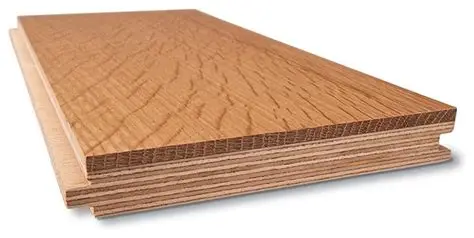
Oak Engineered Wood Flooring
Engineered wood is manufactured by compressing wood fibers, veneers, or particles with adhesives under intense heat and pressure. Its most common types include:
-
Plywood strongest engineered wood, made from layered veneers
-
MDF (Medium Density Fiberboard) smooth, dense, great for painted finishes
-
HDF (High Density Fiberboard) similar to MDF but stronger
-
Particleboard budget-friendly option made from small wood chips
Engineered wood is designed to be dimensionally stable, meaning it resists warping or cracking better than solid wood when exposed to humidity. Manufacturers often cover engineered wood with veneer or laminate coatings to mimic the appearance of real wood at a lower cost.
Modern engineered wood furniture can be impressively durable, especially plywood and HDF variants. Because it uses wood byproducts, it’s also considered more environmentally efficient.
Benefits of Engineered Wood Furniture
Engineered wood presents several advantages:
1. Cost-Effective
It provides a high-end appearance (especially with veneer) at a fraction of the cost of solid wood.
2. Moisture Resistance
Engineered wood is less likely to warp or shrink, making it suitable for humid environments like kitchens or bathrooms.
3. Lightweight
This makes it easier to move, assemble, and reposition ideal for apartments or renters.
4. Eco-Friendly
Manufacturers utilize recycled wood fibers, reducing resource waste.
5. Consistent Appearance
Unlike solid wood, engineered wood has a uniform finish with fewer imperfections.
These benefits make engineered wood a top choice for modern, budget-conscious buyers who still want stylish and durable furniture.
Solid Wood vs Engineered Wood Furniture: Detailed Material Comparison
Both materials serve different purposes. Solid wood wins in longevity and strength, while engineered wood leads in cost-efficiency, stability, and design flexibility. The best choice depends on the type of furniture, your budget, and how the item will be used.
The following product examples illustrate this comparison with real-world scenarios.
Five Real-World Furniture Examples You Can Buy
1. IKEA HEMNES Solid Wood Bed Frame
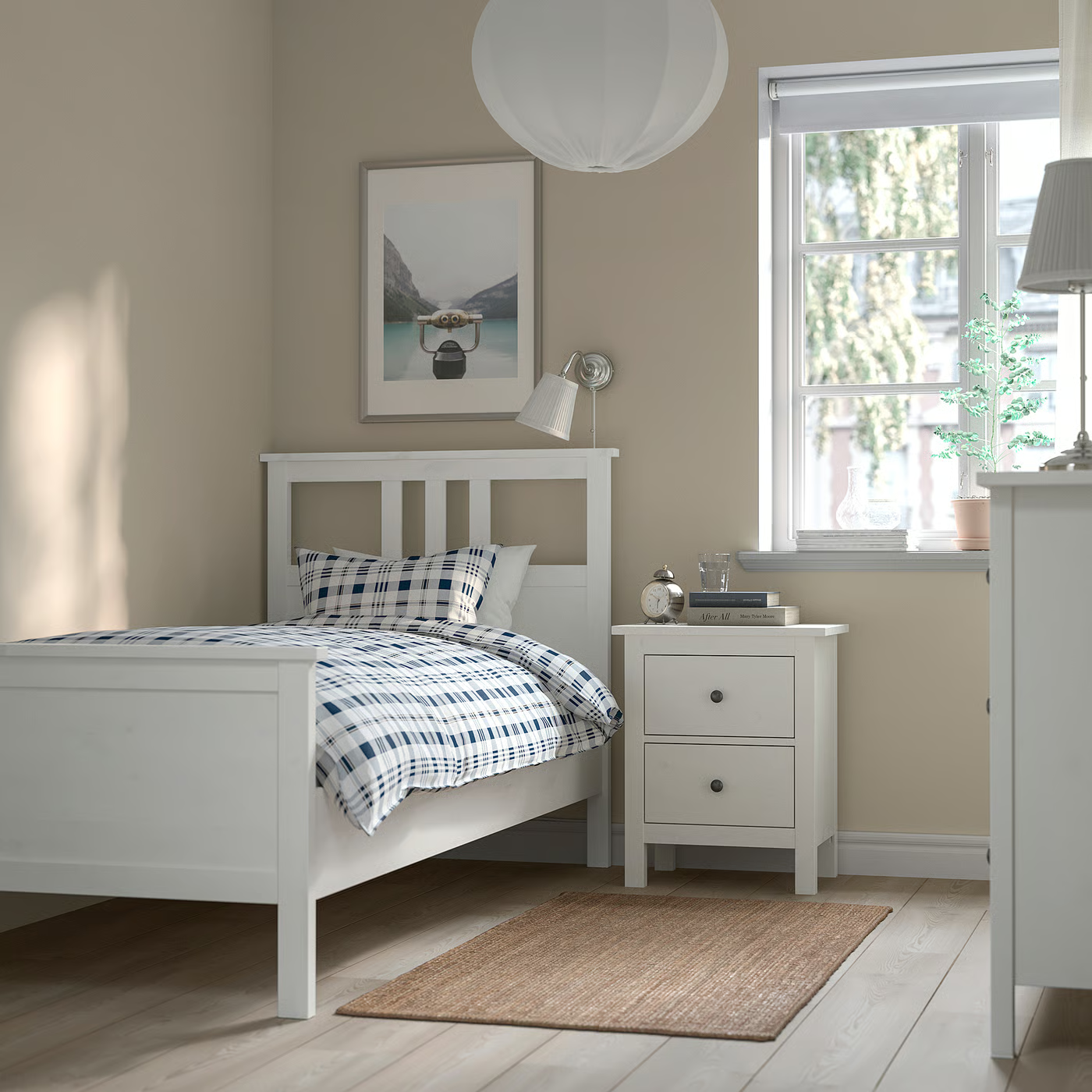
The IKEA HEMNES is made entirely from solid pine, offering natural warmth and a traditional finish. Pine is lighter than hardwoods but still strong and durable. The bed frame features reinforced slats and a solid foundation capable of supporting heavier mattresses.
The wood’s natural grain gives it an organic, earthy feel, while its smooth surface allows for repainting or staining.
Benefits and Use Cases
This solid wood bed frame provides exceptional stability. It’s best for homeowners who want a natural, minimalist bedroom aesthetic. The ability to refinish makes it suitable for long-term use in guest rooms or primary bedrooms.
2. West Elm Mid-Century Solid Wood Dresser (Eucalyptus + Acacia Veneer)
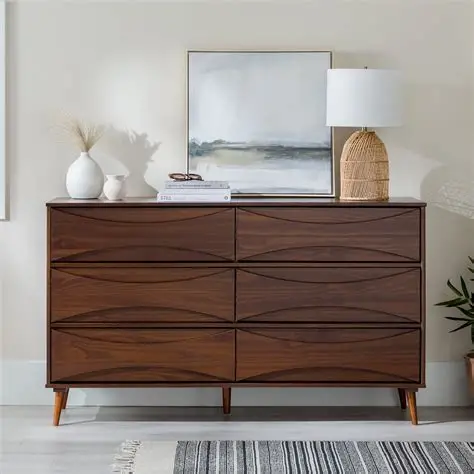
Atticus Solid Wood Mid-Century Modern Dresser
This dresser combines a solid eucalyptus wood structure with a high-quality acacia veneer. The veneer gives the dresser a beautifully consistent grain pattern while maintaining the durability of hardwood.
The drawers glide smoothly due to precision metal runners, making it functional and stylish.
Benefits and Use Cases
This dresser solves the stability issues often found in cheaper engineered wood models. It is ideal for upscale homes, master bedrooms, or designer interiors. The hardwood build ensures long-term durability, while the veneer offers aesthetic consistency.
3. Sauder Beginnings TV Stand (Engineered Wood + Laminate)
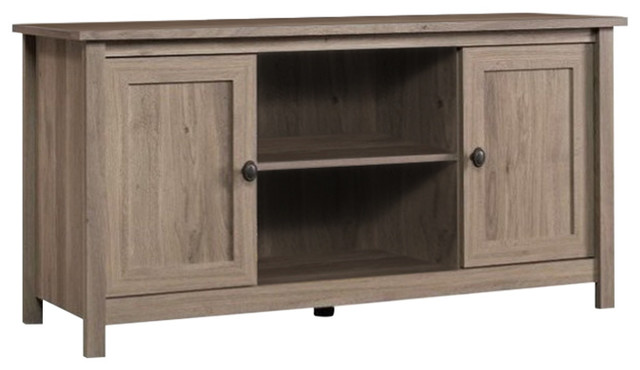
Sauder County Line Engineered Wood TV Stand in Salt Oak
This product is built primarily from particleboard covered with a durable laminate. It’s a lightweight piece but surprisingly strong thanks to engineered construction. The wood-grain laminate gives the impression of natural oak without the price tag.
Benefits and Use Cases
It’s perfect for renters, students, or anyone who moves often. Its affordability and ease of assembly solve the problem of unstable low-quality furniture. The laminated surface is scratch-resistant and easy to maintain.
How to Buy
<button><a href=”https://www.sauder.com/products/415044″ target=”_blank”>Buy Sauder TV Stand</a></button>
4. CB2 Drommen Solid Acacia Wood Bed

Drommen Acacia Wood Platform King Bed
Built from solid acacia, this bed frame offers premium durability and a rich, warm grain pattern. The angled headboard gives it a sophisticated silhouette that works well in luxury bedrooms.
Acacia wood is naturally resistant to moisture and pests.
Benefits and Use Cases
This bed solves long-term sagging and weakening issues seen in engineered wood frames. It’s excellent for homeowners who want boutique-quality furniture that will last decades.
5. IKEA BESTÅ Engineered Wood Storage System
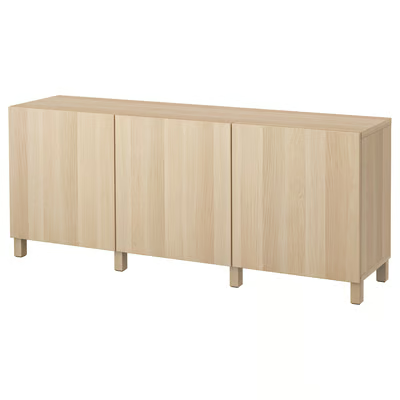
BESTÅ is made of engineered particleboard and fiberboard wrapped in laminate or foil finishes. Its modular design allows endless combinations floating wall units, cabinets, TV stands, or storage benches.
Benefits and Use Cases
BESTÅ solves storage problems in tight spaces due to its modular format. Laminate coating ensures durability, while engineered wood keeps it lightweight and affordable.
How to Choose Between Solid Wood and Engineered Wood Furniture
When choosing between these two materials, consider:
-
Longevity: Solid wood lasts longer
-
Budget: Engineered wood is more affordable
-
Humidity: Engineered wood is more stable
-
Aesthetics: Solid wood has natural beauty
-
Weight: Engineered wood is lighter
-
Refinishability: Solid wood can be restored
Your purchase should reflect your lifestyle, environment, and long-term plans.
Frequently Asked Questions
1. Is solid wood really better than engineered wood?
Solid wood is better for durability and long-term value. Engineered wood is better for affordability and humidity resistance.
2. Can engineered wood furniture last a long time?
High-quality engineered wood, especially plywood or HDF, can last years with proper care.
3. Does solid wood warp?
Solid wood can warp if exposed to humidity changes, but quality hardwoods (oak, acacia) are more stable.

Comments are closed.