

Furniture plays a significant role in defining the style, function, and durability of your living space. When choosing between solid wood vs engineered wood furniture, the decision can be challenging each option offers unique strengths, aesthetic qualities, and long-term performance differences. This detailed guide breaks down everything you need to know, from material composition to real-world products, buying advice, and problem-solving benefits.
Understanding Solid Wood Furniture
What Solid Wood Furniture Really Means
Solid wood furniture is built entirely from natural hardwoods or softwoods. Popular solid wood types include oak, walnut, maple, teak, acacia, and pine. Because each piece comes directly from a tree, solid wood offers authenticity, density, and unmatched longevity. Its grain patterns are naturally occurring, giving furniture a rich, organic character that develops beautifully over time.
Solid wood furniture is often prized for its durability and repairability. Scratches, dents, and surface wear can typically be sanded and refinished, allowing owners to rejuvenate the piece for decades. This makes solid wood a top-tier choice for investment furniture meant to last across generations.
The Natural Appeal of Solid Wood
One of the most beloved characteristics of solid wood is its timeless aesthetic. No two solid wood pieces look alike, and the unique grain variations add warmth and sophistication. Whether your interior style leans modern, rustic, traditional, or Scandinavian, solid wood blends effortlessly.
The depth and richness of real wood create a sense of luxury that engineered materials rarely replicate. Over the years, exposure to light and air subtly changes the tone of solid wood, adding depth and history to the piece.
Understanding Engineered Wood Furniture
What Engineered Wood Furniture Is Made From
Engineered wood is composed of multiple layers of compressed wood fibers, veneers, plywood, or MDF (medium-density fiberboard). To enhance durability, these layers are bonded using heat, pressure, and advanced adhesives. Contrary to common assumptions, engineered wood is not “fake wood” but rather a modern interpretation designed for affordability and stability.
Engineered wood is often covered with natural veneer or laminate to resemble the look of real wood. High-quality engineered furniture can also be extremely durable and resistant to environmental changes such as moisture or temperature fluctuations.
Why Engineered Wood Has Become Popular
Engineered wood furniture is affordable, versatile, and widely accessible. It weighs less than solid wood, making it easier to move and assemble in apartments or condos. Its advanced construction reduces the likelihood of cracking, shrinking, or warping issues commonly associated with solid wood.
Additionally, engineered wood supports eco-friendly practices by reducing the need for large lumber quantities and using recycled fibers. This makes it a top choice for consumers who prioritize sustainability on a budget.
Key Differences: Solid Wood vs Engineered Wood
Durability and Longevity
Solid wood is naturally more durable and can last multiple lifetimes when properly maintained. Engineered wood, while strong, generally has a shorter lifespan but performs exceptionally well in controlled environments.
Cost Comparison
Solid wood is significantly more expensive due to material rarity, craftsmanship, and longevity. Engineered wood offers stylish designs at affordable prices, making it ideal for budget-conscious buyers.
Appearance
Solid wood features natural grain variation and texture. Engineered wood can mimic these features but lacks the depth and authenticity of real wood.
Maintenance
Solid wood may require occasional refinishing but is easy to repair. Engineered wood is low-maintenance but often cannot be refinished if damaged.
Top Real-World Furniture Products: Solid Wood vs Engineered Wood
1. Article Seno Solid Wood Dining Table (Solid Wood)
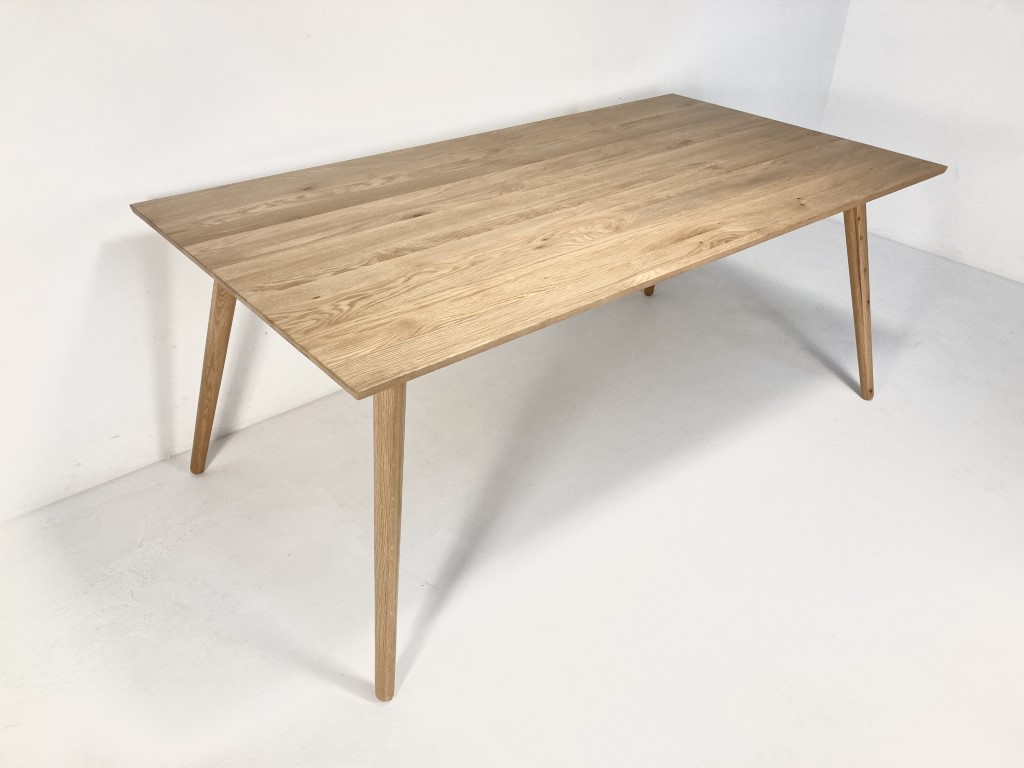
The Modern Solid Wood Oak Dining Table
The Article Seno table is crafted from 100% solid oak, offering exceptional build quality and a timeless look. Its minimalist Scandinavian design makes it ideal for modern and transitional interiors. The natural oak grain brings warmth to dining spaces, while the sturdy construction ensures decades of use.
The surface is sealed for protection without altering the natural beauty of the oak, and its smooth finish makes maintenance straightforward.
Benefits
The Seno table’s durability is unmatched it resists wear, can be refinished, and grows more beautiful with age. It also provides long-term value, making it a worthwhile investment for homeowners who want furniture that lasts.
Its solid oak legs offer excellent stability, supporting heavy dining loads and frequent use.
Use Case & Problem Solved
Many dining tables lose strength over time or wobble due to weak legs or cheap materials. The Seno solves this through 100% solid wood construction, making it ideal for family dinners, hosting, and long-term daily use.
2. IKEA BESTÅ Storage System (Engineered Wood)
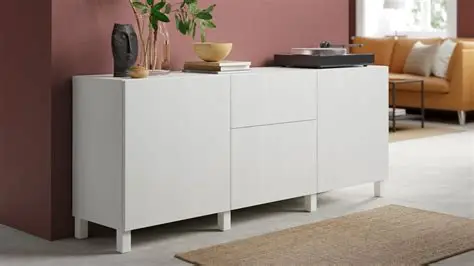
The Modern Wood Grain Door for BESTÅ
IKEA’s BESTÅ is one of the most popular engineered wood storage units worldwide. Built with fiberboard, particleboard, and high-quality finishes, it is lightweight yet strong enough for media storage, books, or household essentials.
The modern modular design allows endless configurations for living rooms, bedrooms, and offices.
Benefits
BESTÅ offers affordability without sacrificing style. Its engineered wood construction keeps the cost low while maintaining structural stability. The sleek fronts and adjustable shelves fit modern décor perfectly.
Its modularity allows homeowners to redesign or expand the system as space and needs change.
Use Case & Problem Solved
Traditional wooden cabinets are heavy, bulky, and difficult to reconfigure. BESTÅ solves this problem, offering flexibility for renters, small homes, and growing families.
3. West Elm Mid-Century Solid Wood Bed Frame (Solid Wood)
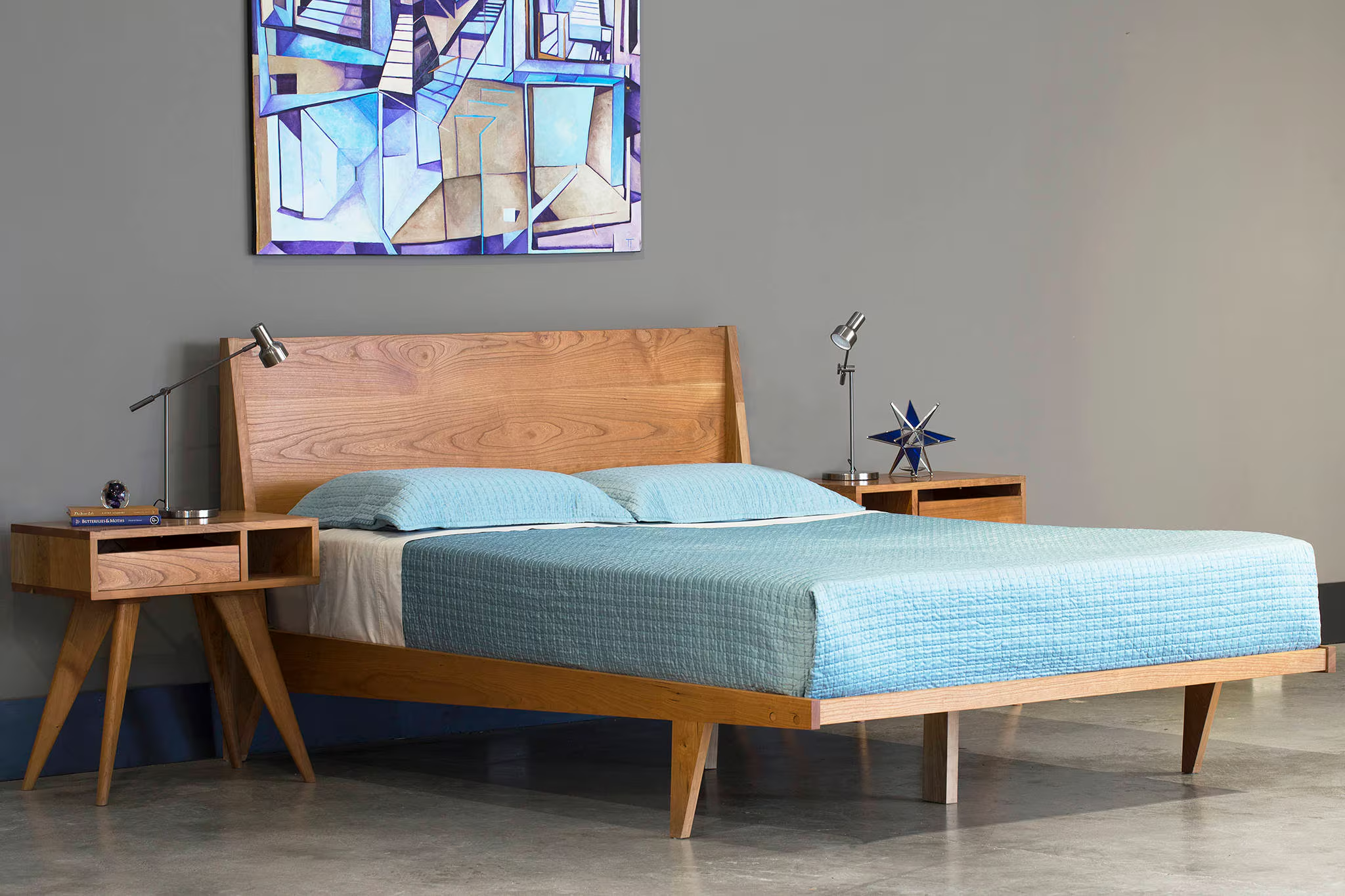
Solid Wood Bed MCM Mid Century Modern Hardwood Platform
This West Elm bed frame is constructed from sustainably sourced solid eucalyptus wood, known for its strength and resistance to insects and moisture. Its mid-century design features tapered legs, rich tonal variations, and a classic silhouette.
Its solid wood slats provide excellent mattress support, eliminating the need for bulky box springs.
Benefits
Solid eucalyptus is extremely durable, and its natural oils protect the wood from deterioration. This makes the bed frame long-lasting and stable for years.
The aesthetic appeal of the wood adds warmth and elegance to any bedroom.
Use Case & Problem Solved
Beds often suffer from squeaking, sagging, or bending slats. Solid eucalyptus eliminates these issues, giving homeowners a quiet, steady, and reliable sleeping experience.
4. Sauder Barrister Lane Bookcase (Engineered Wood)
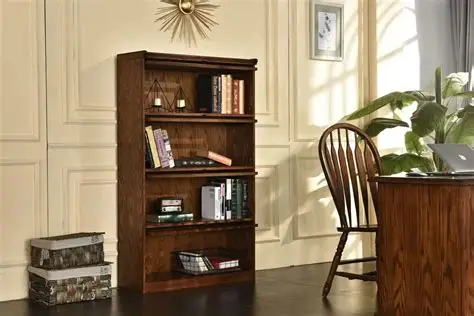
The Sauder Barrister Bookcase
This popular bookcase is crafted from engineered wood with a durable laminate finish. The design includes open shelving and enclosed areas, offering excellent storage for books, décor, and office supplies.
It provides the look of rustic farmhouse furniture at a fraction of the cost.
Benefits
Engineered wood makes the Barrister Lane Bookcase lightweight, inexpensive, and resistant to warping. Its laminate coating also protects from scratches, moisture, and fading.
This makes it perfect for busy households or home offices.
Use Case & Problem Solved
Heavy solid wood bookcases can damage flooring or be difficult to move. This engineered alternative solves that problem while maintaining attractive aesthetics and strong weight capacity.
5. Poly & Bark Lyon Solid Wood Desk (Solid Wood)
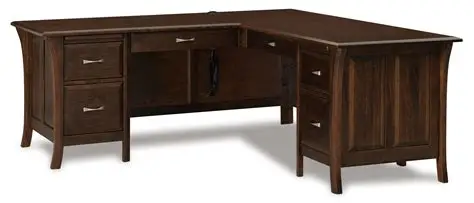
Ensenada Solid Wood L-Desk
Crafted from solid acacia wood, the Poly & Bark Lyon Desk combines raw natural beauty with modern usefulness. The hand-finished surface preserves the wood’s natural patterns, while the angled legs provide exceptional stability for work environments.
This desk is ideal for home offices due to its strength and premium craftsmanship.
Benefits
Solid acacia wood is naturally resistant to swelling and shrinking, making it ideal for frequently used desks. The Lyon desk supports heavy monitors, stacks of documents, and extended work sessions without wobbling.
Use Case & Problem Solved
Many engineered wood desks warp or weaken under pressure, especially with heavy office equipment. This solid wood desk provides a long-lasting workspace that remains strong and stable.
Which Type of Wood Furniture Should You Choose?
When to Choose Solid Wood
Choose solid wood if you want:
-
Furniture that lasts decades
-
High-end, natural aesthetics
-
Items that can be refinished or repaired
-
Exceptional strength and stability
Solid wood is ideal for investment furniture such as beds, dining tables, and desks.
When to Choose Engineered Wood
Choose engineered wood if you need:
-
Affordable pricing
-
Lightweight furniture
-
Modern designs at low cost
-
Eco-friendly material alternatives
Engineered wood works perfectly for shelving, décor, storage units, and rental homes.
How to Buy High-Quality Wood Furniture
Choose Trusted Brands
Always buy from retailers known for craftsmanship and reliable materials. Look for details on wood sourcing, construction techniques, and finishes.
Check Wood Type and Density
Not all wood species or engineered materials perform the same. Solid oak, walnut, and acacia offer exceptional durability, while high-grade MDF or plywood ensures strong engineered furniture.
Understand Return and Warranty Policies
Quality furniture comes with better warranties. Choose sellers who offer reasonable returns and customer support.
Buy Online with Confidence
Modern manufacturers provide detailed specs, room visualization tools, and customer reviews to guide your decision.
FAQs
1. Which is stronger, solid wood or engineered wood?
Solid wood is naturally stronger and more durable. Engineered wood is stable but not as long-lasting as real hardwoods.
2. Is engineered wood furniture worth buying?
Yes. Engineered wood is affordable, stylish, and ideal for lightweight, low-maintenance furniture, especially for apartments or modern homes.
3. Does solid wood require more maintenance?
It may require occasional refinishing or polishing, but it can be easily repaired and restored—unlike most engineered wood products.

Comments are closed.