

Replacing home siding is one of the most impactful exterior upgrades a homeowner can make. Understanding siding replacement cost is essential before starting the project, as pricing can vary widely based on materials, labor, home size, and regional factors. Many homeowners consider siding replacement not only for aesthetic improvement but also for energy efficiency, weather protection, and long-term property value.
This guide provides a deep, informative breakdown of siding replacement cost, including material options, benefits of modern siding technology, real-world product examples, and buying guidance. Whether you are planning a full exterior renovation or replacing damaged siding, this article will help you make a confident and informed decision.
What Siding Replacement Cost Really Means
Understanding the True Cost of Siding Replacement
Siding replacement cost refers to the total expense involved in removing old siding and installing new exterior siding on a home. This includes material costs, labor fees, preparation work, disposal of old siding, and optional upgrades such as insulation or weather barriers. Many homeowners initially underestimate costs because they focus only on material pricing.
The real cost depends on square footage, the complexity of the home’s structure, accessibility, and local labor rates. Homes with multiple stories, architectural details, or damaged sheathing typically require additional labor, increasing overall cost.
Why Siding Replacement Is a Long-Term Investment
While siding replacement may appear expensive upfront, it is a long-term investment that protects the home from moisture, pests, and weather damage. High-quality siding can last decades with minimal maintenance, reducing repair costs over time.
Additionally, new siding significantly improves curb appeal and resale value. Many real estate professionals consider siding replacement one of the highest return-on-investment exterior upgrades for homeowners.
Key Factors That Influence Siding Replacement Cost
Material Selection and Quality
Material choice is the most significant factor affecting siding replacement cost. Vinyl siding is generally the most affordable option, while fiber cement, engineered wood, and metal siding fall into higher price ranges. Premium materials offer better durability, insulation, and visual appeal, which can justify higher initial costs.
Homeowners must balance budget constraints with long-term performance. Cheaper materials may require replacement sooner, increasing total ownership cost.
Labor, Installation, and Home Design
Labor costs vary by region and contractor expertise. Professional installation ensures proper alignment, weatherproofing, and warranty compliance. Homes with complex designs, steep roofs, or limited access require more time and specialized labor.
Removing old siding, repairing underlying damage, and installing insulation layers can also increase installation costs but improve long-term performance.
Benefits of Replacing Your Home Siding
Improved Energy Efficiency and Comfort
Modern siding products often include insulated panels or can be paired with insulation layers that reduce heat loss. This improves indoor temperature regulation and lowers heating and cooling costs throughout the year.
Energy-efficient siding creates a more comfortable living environment by minimizing drafts and temperature fluctuations inside the home.
Enhanced Protection and Durability
New siding acts as a protective barrier against rain, wind, UV exposure, and pests. Advanced materials resist warping, cracking, fading, and moisture absorption, extending the lifespan of the exterior structure.
This protection reduces the risk of structural damage and costly repairs caused by rot or mold.
Modern Siding Technology and Its Advantages
Advanced Materials and Manufacturing
Modern siding is manufactured using advanced technology that improves strength, flexibility, and weather resistance. Fiber cement siding combines cement, sand, and cellulose fibers to create a highly durable material that mimics wood without its weaknesses.
Vinyl siding technology has evolved to resist fading and cracking while offering improved insulation options.
Smart Design and Low Maintenance Features
Many siding products now include features like UV-resistant coatings, moisture control systems, and interlocking panels. These innovations reduce maintenance requirements and keep homes looking newer for longer.
Low maintenance siding eliminates the need for frequent painting or sealing, saving homeowners time and money.
Real-World Siding Products and Cost Considerations
Vinyl Siding by CertainTeed

CertainTeed Vinyl Siding is one of the most popular choices for homeowners seeking affordable siding replacement. Known for durability and color retention, CertainTeed offers a wide range of styles and textures.
Vinyl siding from CertainTeed is lightweight, easy to install, and resistant to moisture and pests. It significantly lowers siding replacement cost compared to premium materials while still delivering strong performance.
Benefits and Use Case
This product is ideal for homeowners on a budget who want reliable protection and attractive design without ongoing maintenance. It solves issues like peeling paint, rot, and weather damage.
Fiber Cement Siding by James Hardie
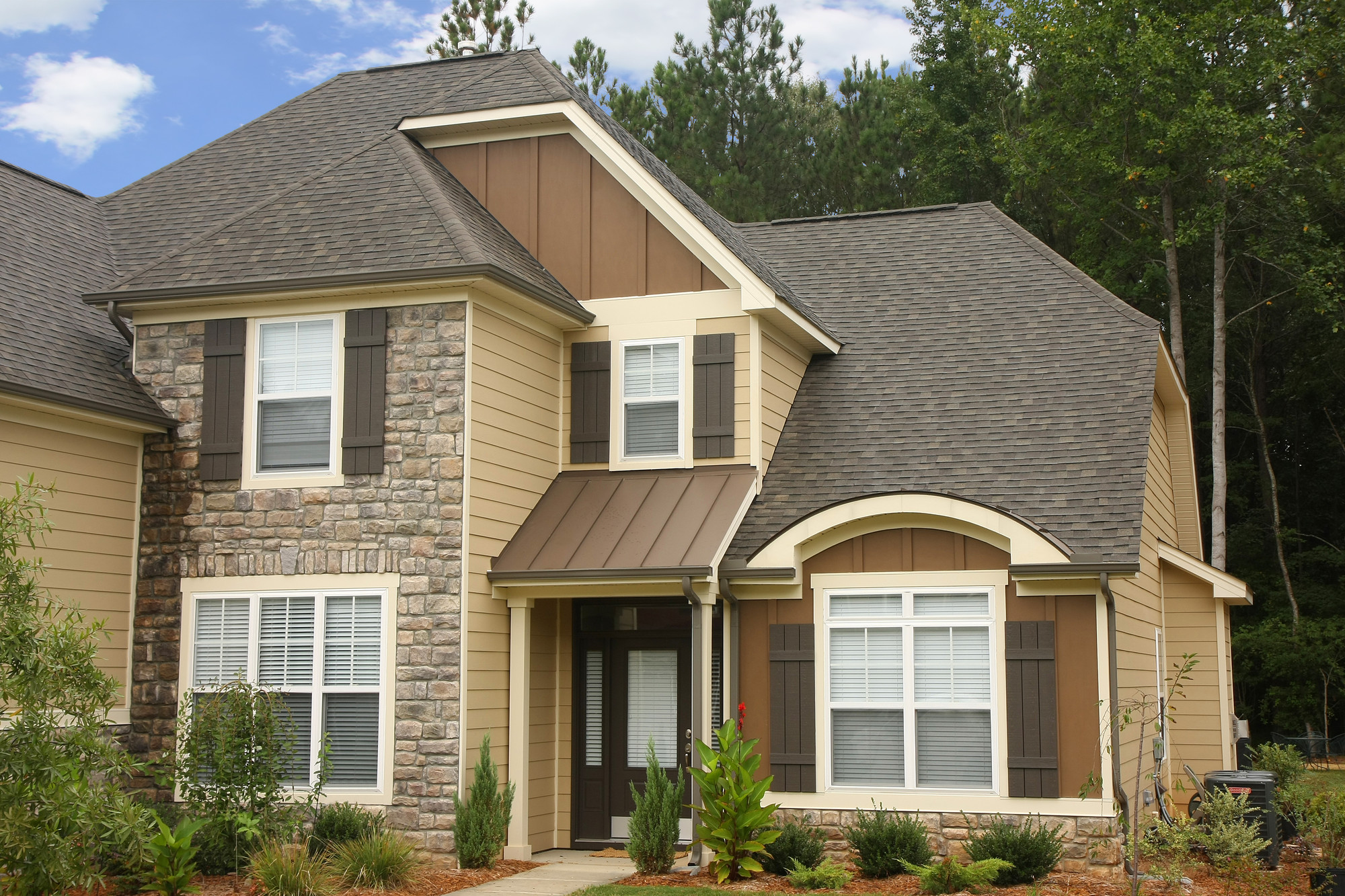
James Hardie Fiber Cement Siding is a premium siding option known for exceptional durability and fire resistance. It closely resembles wood while offering superior longevity.
Although fiber cement siding increases siding replacement cost, it offers long-term savings through reduced maintenance and extended lifespan.
Benefits and Use Case
This siding is ideal for homeowners in extreme climates. It solves problems related to moisture, insects, and fire risk while enhancing home value and appearance.
Engineered Wood Siding by LP SmartSide
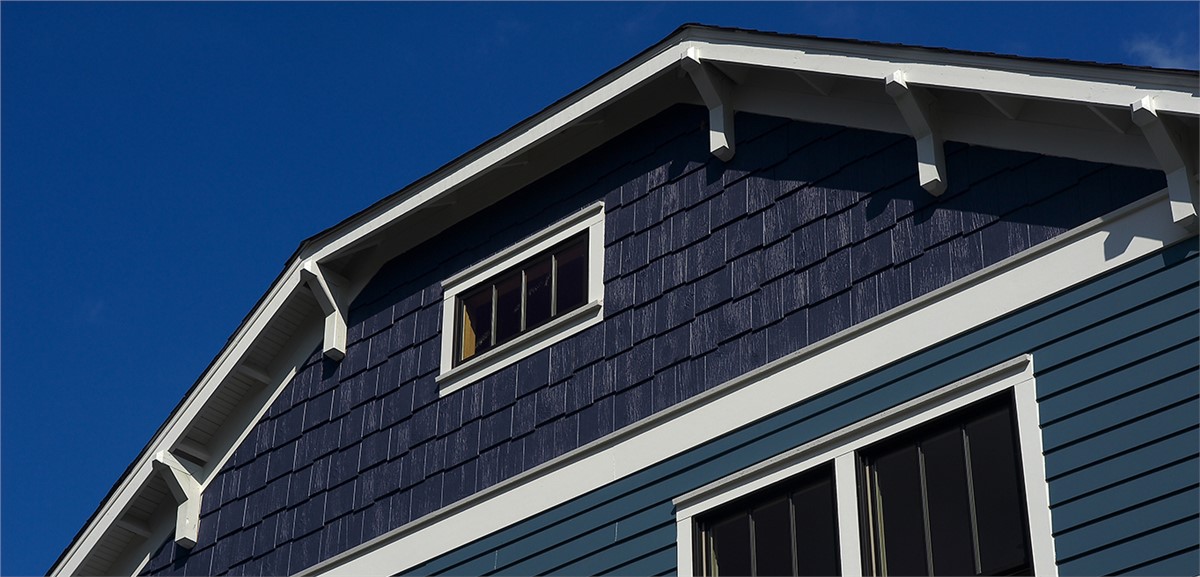
LP SmartSide Engineered Wood Siding offers the beauty of natural wood with improved durability. Treated with advanced resins, it resists impact damage and moisture.
Engineered wood siding offers a mid-range siding replacement cost, balancing affordability and aesthetics.
Benefits and Use Case
This product is ideal for homeowners who love the look of wood but want fewer maintenance challenges. It addresses issues like warping, cracking, and pest damage.
Insulated Vinyl Siding by Alside
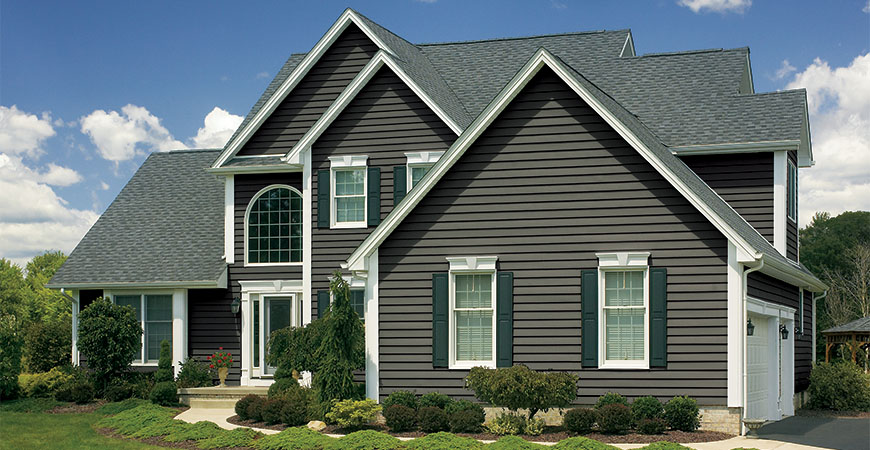
Alside Insulated Vinyl Siding combines traditional vinyl with built-in insulation, improving energy efficiency and rigidity.
While insulated vinyl costs more than standard vinyl, it can reduce long-term energy expenses.
Benefits and Use Case
This siding is perfect for homeowners seeking energy savings. It solves problems related to heat loss, drafts, and rising utility bills.
Why Homeowners Choose Siding Replacement
Solving Structural and Aesthetic Problems
Old siding can crack, warp, or rot, leading to water infiltration and structural damage. Replacing siding solves these issues and restores the home’s exterior integrity.
New siding also updates outdated appearances, making homes more visually appealing and competitive in the real estate market.
Increasing Property Value and Marketability
Siding replacement often increases resale value by improving curb appeal and buyer confidence. Buyers prefer homes with modern, low-maintenance exteriors.
Homes with new siding typically sell faster and at higher prices compared to those with aging exteriors.
How to Buy Siding and Where to Find the Best Deals
Choosing the Right Siding for Your Home
Homeowners should consider climate, budget, maintenance preferences, and design goals when selecting siding. Consulting with contractors and requesting multiple quotes helps ensure accurate siding replacement cost estimates.
Comparing warranties and material performance is essential before making a final decision.
Where to Buy and How to Purchase
Siding materials can be purchased directly from manufacturers, home improvement stores, or authorized dealers. Professional installation is recommended for warranty coverage.
Frequently Asked Questions
1. How much does siding replacement cost on average?
Siding replacement cost varies widely depending on materials, home size, and labor. Vinyl siding is generally the most affordable, while fiber cement and metal siding cost more.
2. Is siding replacement worth the cost?
Yes, siding replacement improves energy efficiency, protects the home, reduces maintenance, and increases property value, making it a worthwhile investment.
3. How long does new siding last?
Depending on the material, new siding can last from 20 to over 50 years with proper installation and minimal maintenance.
Comments are closed.