

Replacing old or damaged siding is a crucial step in maintaining your home’s appearance, energy efficiency, and structural integrity. Understanding siding replacement options, costs, and benefits helps homeowners make informed decisions and ensures long-term satisfaction with their investment.
Why Siding Replacement is Important
Siding replacement improves both the aesthetic appeal and functionality of a home. Over time, siding can crack, warp, fade, or be damaged by moisture and pests. Replacing old siding not only restores your home’s exterior appearance but also protects it from weather-related damage.
Modern siding materials provide additional benefits such as insulation, impact resistance, and low maintenance. Upgrading to a high-quality siding product can increase your home’s energy efficiency and reduce monthly heating and cooling costs, offering both financial and practical advantages.
Benefits of Modern Siding Replacement Technology
Technological advancements in siding materials have introduced more durable, energy-efficient, and low-maintenance options. Vinyl, fiber cement, and composite sidings now come with features like reinforced panels, fade-resistant finishes, and insulated backing.
These modern siding solutions address common issues such as moisture damage, termite infestations, and the need for frequent repainting. By investing in advanced siding replacement products, homeowners can enjoy long-term protection and reduced maintenance costs while enhancing the visual appeal of their home.
Top Siding Replacement Products
1. CertainTeed Monogram Vinyl Siding
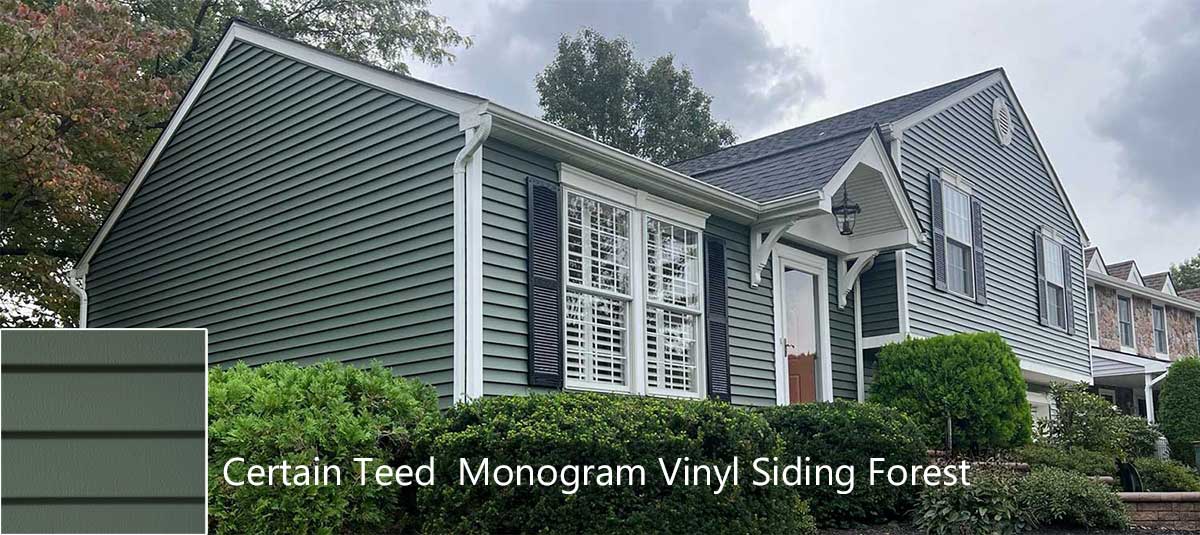
CertainTeed Monogram Vinyl Siding is a premium siding option known for durability, aesthetic appeal, and weather resistance. Available in a wide range of colors and textures, it replicates natural wood-grain finishes without the high maintenance requirements.
This product is ideal for homeowners who want a long-lasting siding replacement that resists fading, cracking, and impact damage. Insulated panels also help improve energy efficiency, reducing heating and cooling costs.
2. James Hardie HardiePlank Fiber Cement Siding
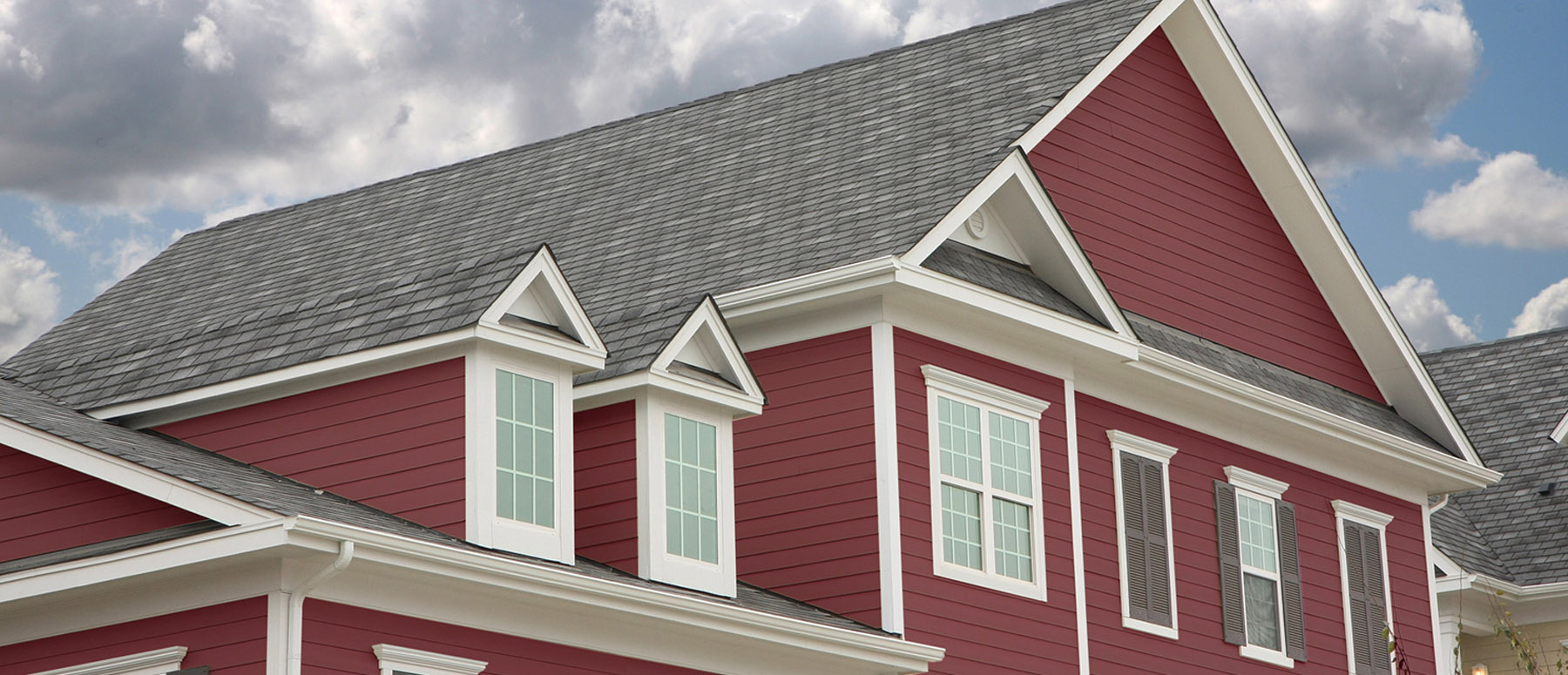
James Hardie HardiePlank Fiber Cement Siding is a popular choice for its strength and versatility. Made from fiber cement, it is resistant to fire, pests, and extreme weather. Prices vary depending on style and finish, but offer excellent long-term value.
HardiePlank siding solves the problem of frequent maintenance associated with wood siding. Its durability and low upkeep make it suitable for homeowners seeking a long-term solution that enhances curb appeal and property value.
3. GAF Timberline Vinyl Siding
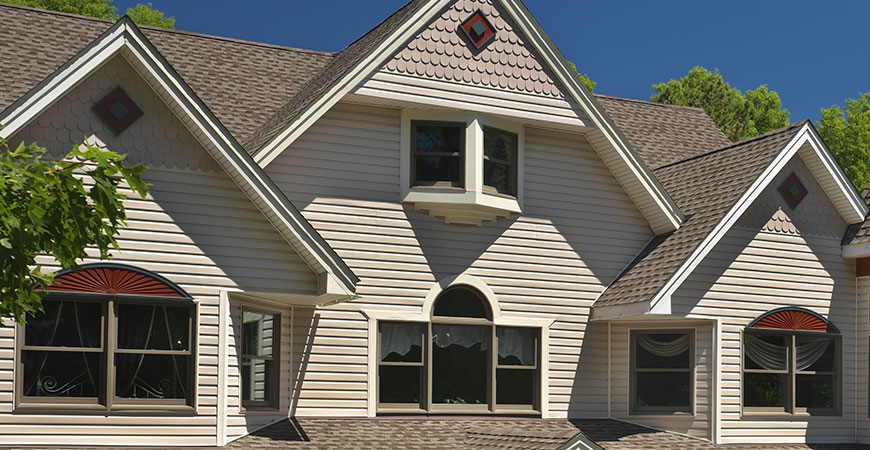
GAF Timberline Vinyl Siding provides an excellent balance of affordability, durability, and aesthetic appeal. Reinforced panels prevent warping and cracking, while energy-efficient options help reduce utility bills.
This siding is perfect for homeowners looking for a resilient exterior solution that maintains its appearance over time. Timberline siding is especially beneficial in regions prone to harsh weather, protecting the home and reducing maintenance needs.
4. Alside Charter Oak Vinyl Siding
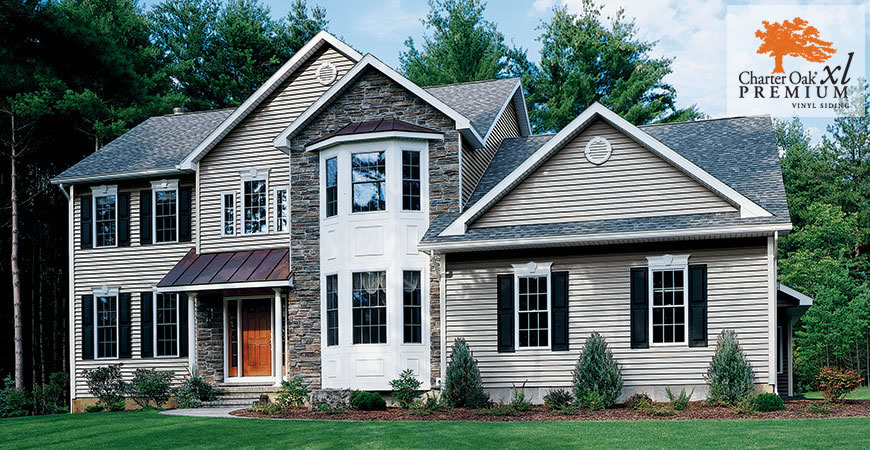
Alside Charter Oak Vinyl Siding combines elegance and durability. Its deep wood-grain texture, multiple color options, and reinforced panels make it a high-end yet practical choice for siding replacement.
Homeowners benefit from reduced fading, cracking, and weather-related damage, making it an ideal solution for enhancing both curb appeal and long-term protection.
How Much Does Siding Replacement Cost?
Siding replacement costs vary depending on material, home size, and labor. On average, vinyl siding ranges from $2 to $7 per square foot installed, while fiber cement can range from $5 to $10 per square foot. Additional costs may include insulation, trim, and removal of old siding.
Understanding the cost factors helps homeowners plan their budget effectively. Hiring a professional installer ensures proper fitting, prevents damage, and guarantees the siding performs optimally for years.
Real-World Use Cases
Siding replacement solves several common home problems:
-
Moisture Protection: Prevents water damage, mold, and rot.
-
Pest Resistance: Keeps termites and insects from damaging the structure.
-
Energy Efficiency: Insulated siding reduces heating and cooling costs.
-
Curb Appeal: Enhances property aesthetics and value.
For example, a homeowner with water-damaged wood siding replaced it with fiber cement siding, eliminating rot issues and improving home insulation. Another homeowner switched to vinyl siding to reduce annual maintenance and increase curb appeal.
Where to Buy Siding Replacement Products
You can purchase siding replacement products directly from manufacturers or authorized dealers. Many offer online ordering with shipping or local installation services. Recommended options include:
Local home improvement stores also carry siding replacement materials and can provide professional installation guidance.
FAQ
Q1: How long does siding replacement last?
High-quality siding, such as fiber cement or premium vinyl, can last 25–50 years depending on maintenance, installation quality, and environmental conditions.
Q2: Can siding replacement improve energy efficiency?
Yes, many modern siding products include insulated panels that reduce heat loss in winter and keep homes cooler in summer, lowering energy bills.
Q3: Is professional installation necessary for siding replacement?
Professional installation ensures proper fitting, prevents damage, and maximizes durability. Improper installation can lead to moisture damage, warping, and reduced lifespan.
Comments are closed.