

Outdoor living wall systems are transforming exterior design by turning blank walls into lush, vertical gardens. These living wall outdoor installations blend nature, architecture, and modern technology to create visually striking, environmentally beneficial, and highly functional spaces. As a result, homeowners and businesses increasingly adopt these systems for residential patios, balconies, commercial buildings, and hospitality venues. Today, outdoor living wall systems rank among the most in-demand solutions for enhancing both aesthetics and sustainability.
Unlike traditional landscaping, an outdoor living wall system maximizes vertical space instead of relying on ground-level planting. Therefore, it works especially well in urban environments, compact yards, and modern architectural layouts where horizontal space remains limited. Moreover, recent advancements in irrigation technology, modular panel design, and plant selection have made these systems easier to install and simpler to maintain than ever before.
Understanding Outdoor Living Wall Systems
An outdoor living wall system is a structured framework that supports vertical plant growth on exterior walls or freestanding structures. Typically, these systems include modular panels, integrated irrigation components, specialized growing media, and durable support frames that allow plants to thrive outdoors across different climates.
The primary purpose of an outdoor living wall system is to integrate greenery into built environments without requiring traditional garden space. For this reason, designers can install these systems on concrete walls, fences, building facades, or custom frames. Consequently, they offer exceptional versatility for both residential and commercial applications.
How Living Wall Outdoor Systems Work
Most outdoor living wall systems use modular panels or trays that securely hold plants and growing media in place. In addition, an integrated irrigation system distributes water and nutrients evenly across the wall, ensuring consistent plant health. Drainage channels further prevent water buildup, which protects both the plants and the surrounding structure.
Modern systems also support a wide variety of plant species, including ornamental plants, herbs, native greenery, and flowering varieties. Because of this flexibility, users can customize their living wall outdoor designs based on climate conditions, sunlight exposure, and aesthetic goals. As a result, each installation becomes unique and purpose-driven.
Benefits of Installing an Outdoor Living Wall System
One of the most significant benefits of an outdoor living wall system is its ability to enhance visual appeal instantly. A green wall creates a natural focal point that elevates the overall design of a space, making it more inviting and modern.
Beyond aesthetics, systems provide environmental benefits. They improve air quality by filtering pollutants, reduce heat absorption on exterior walls, and contribute to urban biodiversity by supporting pollinators and beneficial insects.
Environmental and Lifestyle Advantages
Outdoor living wall systems act as natural insulation, helping regulate building temperatures. By reducing heat absorption, they can lower cooling costs during warmer months. This makes them a practical solution for energy-conscious homeowners and businesses.
From a lifestyle perspective, greenery has proven mental health benefits. Installations create calming environments that reduce stress and improve well-being. For commercial spaces, they enhance customer experience and brand perception.
Materials and Technology Behind Outdoor Living Wall Systems
Modern outdoor living wall systems use advanced materials designed for durability and efficiency. Frames are often made from aluminum or galvanized steel to resist corrosion. Panels are constructed from recycled plastics or composite materials that withstand UV exposure and moisture.
Irrigation technology has also evolved significantly. Automated drip systems with timers and moisture sensors ensure plants receive optimal hydration with minimal water waste. Some systems even integrate smart technology for remote monitoring and control.
Low Maintenance and Long-Term Performance
One of the main concerns with installations is maintenance. Today’s systems are designed to minimize upkeep by using self-contained irrigation, lightweight panels, and easily replaceable plant modules.
This technology ensures long-term performance while reducing labor costs. With proper plant selection and periodic inspection, systems can thrive for years with consistent visual impact.
Real-World Outdoor Living Wall System Products
GSky Versa Wall Outdoor Living Wall System

The GSky Versa Wall System is a professional-grade solution used in both residential and commercial projects. Its modular design allows for custom configurations, making it suitable for walls of various sizes and shapes.
This system features integrated irrigation and drainage, ensuring plants receive balanced hydration while protecting the building structure. The Versa Wall is known for supporting dense plant growth, creating a full and vibrant display.
Use Case and Problem Solved:
This product solves the challenge of installing a scalable and reliable system on large surfaces. It is ideal for commercial buildings, hotels, and modern homes seeking a premium vertical garden solution.
LiveWall Outdoor Vertical Garden System

The LiveWall Outdoor Vertical Garden System is designed for flexibility and ease of installation. It uses lightweight panels that can be mounted directly onto exterior walls or freestanding frames.
This system is widely used for residential patios, garden walls, and courtyards. Its plant-friendly design supports healthy root growth and long-term sustainability.
Use Case and Problem Solved:
This system addresses the need for an adaptable solution that can grow over time. It is perfect for homeowners who want to start small and expand their green wall gradually.
ANS Modular Outdoor Living Wall Panels
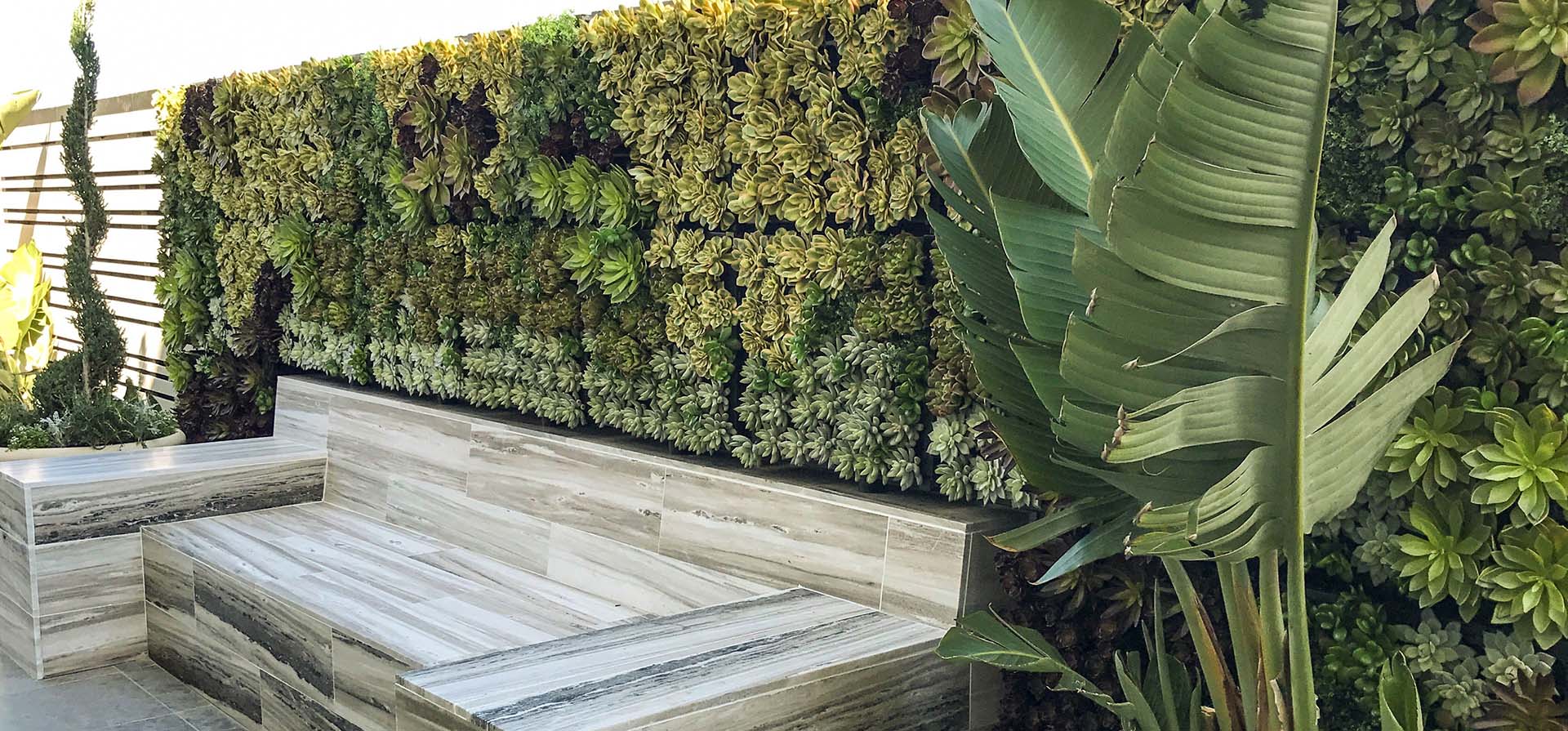
ANS Modular Panels are engineered for durability and visual consistency. These panels are often pre-planted, allowing for immediate green impact upon installation.
The system is suitable for harsh outdoor environments and supports automated irrigation integration. Its clean, modern design complements contemporary architecture.
Use Case and Problem Solved:
This product solves the problem of long establishment periods for living walls. It is ideal for businesses and developers who need immediate aesthetic results.
ByNature Living Wall Outdoor Planter System
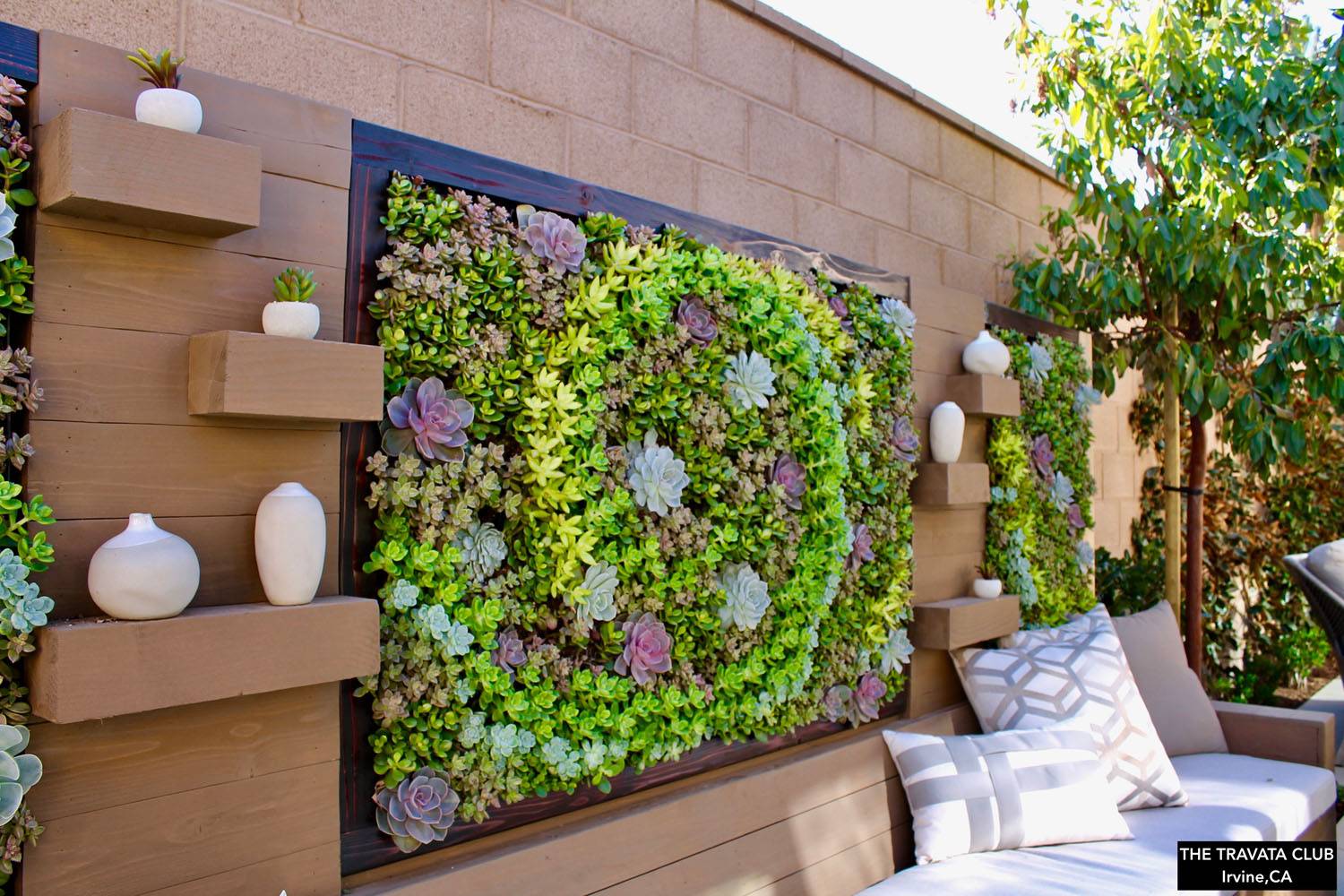
The ByNature Planter System offers a more DIY-friendly approach to vertical gardening. It uses stackable planters that can be arranged creatively on fences or walls.
This system is popular for growing herbs, small plants, and decorative greenery in compact outdoor spaces.
Use Case and Problem Solved:
This product addresses the lack of garden space in urban homes and apartments. It allows users to grow plants vertically without complex installation.
Why People Need Outdoor Living Wall Systems
Outdoor living wall systems address several modern challenges, including limited green space, rising urban temperatures, and the desire for sustainable living solutions. By using vertical surfaces, these systems maximize greenery without requiring additional land.
They also serve as effective design tools, transforming plain walls into dynamic natural features. For businesses, living walls enhance brand image and customer engagement, while homeowners benefit from improved outdoor ambiance and property value.
How to Choose the Right Outdoor Living Wall System
Choosing the right system depends on factors such as wall size, climate, sunlight exposure, and maintenance capacity. Modular systems are ideal for scalability, while pre-planted panels offer instant results.
Budget is another important consideration. While premium systems offer advanced technology and durability, DIY-friendly options provide affordable entry points for beginners.
How and Where to Buy
Outdoor living wall systems can be purchased directly from manufacturers, landscaping suppliers, and specialized online retailers. Buying directly often provides access to technical support, warranties, and customization options.
Online platforms allow users to compare systems, read reviews, and order complete kits delivered to their location. Always look for systems that include irrigation components and clear installation guidance.
Frequently Asked Questions
1. How long does a system last?
A high-quality system can last 10 to 20 years or more with proper maintenance, depending on materials and environmental conditions.
2. Are systems hard to maintain?
Modern systems are designed for low maintenance, using automated irrigation and durable materials. Regular plant care and system checks are usually sufficient.
3. Can systems be installed in any climate?
Yes, systems can be adapted to most climates by selecting appropriate plants and using weather-resistant materials.
Comments are closed.