

Choosing between a gas stove and an induction stove is one of the most important decisions when upgrading your kitchen. Both technologies offer unique advantages, but their performance, safety, efficiency, and cost vary significantly. Understanding these differences helps you choose the right cooking appliance for your needs, lifestyle, and budget.
In this comprehensive gas stove vs induction stove comparison, we examine their features, benefits, technology, cost of use, maintenance requirements, and cooking performance. You will also find five real-world product examples and detailed buying guidance.
Understanding the Core Difference: Gas vs Induction
What Is a Gas Stove?
Gas stoves use an open flame powered by natural gas or LPG cylinders. They offer immediate heat and are preferred by chefs for flame control. The cooking experience feels traditional, offering visual cues while heating, simmering, or searing food.
Since heat is generated by a flame, gas stoves distribute warmth across the bottom of cookware. This makes them compatible with nearly all pot and pan materials, including stainless steel, aluminum, copper, and cast iron.
What Is an Induction Stove?
Induction stoves operate using electromagnetic technology. Instead of producing flame, induction cooktops create a magnetic field that directly heats the cookware. The surface itself remains relatively cool, making them significantly safer.
This highly efficient technology delivers rapid heating and precise temperature control, often outperforming gas stoves in speed and energy savings. However, induction stoves require magnetic cookware such as cast iron or stainless steel with a ferrous base.
Gas Stove vs Induction Stove: Key Differences
To determine which appliance suits your home best, it’s important to understand how they differ in power, safety, efficiency, durability, and long-term maintenance.
Cooking Performance
Gas Stove Cooking Performance
Gas stoves deliver consistent heat through visible flames. This allows intuitive control over cooking techniques like simmering, boiling, grilling, frying, and charring. The wide flame profile heats the cookware evenly and supports even heat distribution.
Because the flame can be adjusted instantly, many chefs prefer gas stoves for dishes that require perfect temperature control. The ability to tilt or move pots over flames also adds versatility something induction cannot replicate.
Induction Stove Cooking Performance
Induction stoves provide extremely fast heating, often boiling water in less than half the time of gas stoves. Their heating precision is unmatched due to direct energy transfer to cookware. This makes them excellent for delicate tasks such as melting chocolate, simmering soups, or cooking sauces to exact temperatures.
Another advantage is efficiency. Since induction doesn’t lose heat to the surrounding air, your kitchen stays cooler, making them ideal for warm climates or compact kitchens with limited ventilation.
Safety Comparison
Gas Stove Safety
Gas stoves pose risks such as gas leaks, open flames, accidental burns, and potential fire hazards. Although modern models include safety valves and auto-ignition, the flame still presents danger, especially in homes with children or elderly residents. Poor ventilation also increases the risk of indoor air pollution.
Regular maintenance is essential to prevent clogged burners, leakage, or malfunctioning knobs.
Induction Stove Safety
Induction stoves are among the safest cooking appliances available. Since the cooktop stays cool except under the cookware, burn risks are significantly reduced. Additionally, the burners automatically switch off when cookware is removed or when overheating is detected.
They also eliminate the risk of gas leaks and open flames, making them ideal for apartments, smart homes, and modern kitchens prioritizing safety.
Energy Efficiency Comparison
Gas Stove Efficiency
Gas stoves have lower energy efficiency because a large portion of heat escapes into the air. Their efficiency ranges between 40%–55%, depending on flame quality, cookware size, and ventilation.
Gas prices vary by region, so long-term costs differ widely. Frequent cylinder replacements or rising gas tariffs can significantly increase expenses.
Induction Stove Efficiency
Induction stoves are highly energy-efficient, often exceeding 85% efficiency. The electromagnetic heating transfers almost all energy directly to cookware, making cooking faster and more economical.
Electricity costs still apply, but in most regions, induction cooking is cheaper over time than gas when used regularly.
Maintenance and Cleaning
Gas Stove Maintenance
Gas burners require regular cleaning due to spills, grease, soot, and debris. Burners and trivets need periodic scrubbing and sometimes disassembling. Gas lines and ignition systems also require inspection for safety.
Induction Stove Maintenance
Induction cooktops are easier to clean because of their flat glass surface. Spills do not burn onto the surface since the stove top stays cool. Cleaning requires only a gentle wipe, making it perfect for busy households and minimalistic kitchens.
Product Recommendations: Best Gas and Induction Stoves
To help you choose the right appliance, here are five detailed real-world product examples, including benefits, use cases, and where to buy.
Prestige Marvel Glass Top Gas Stove
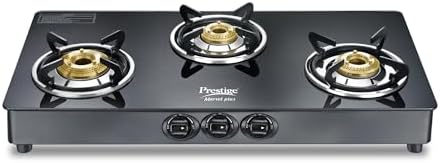
Prestige Marvel Plus 3 Burner GTM-03-Black Glass
The Prestige Marvel Gas Stove features a toughened glass top, efficient brass burners, and ergonomic knobs for smooth flame control. Its spill-proof design ensures easy cleaning and long-lasting durability.
This model is suitable for large and medium-sized households and supports high-heat cooking styles such as frying, boiling, and heavy wok use. The stable cast-iron stands support even heavy cookware.
Benefits
The brass burners offer durability and enhanced heat distribution. The glass top not only adds elegance but resists scratches and heat damage. Its low-maintenance construction keeps your kitchen tidy.
Use Case and Problem Solved
Perfect for home chefs who prefer visible flame control. It solves inconsistent flame issues and supports multi-pot cooking. Ideal for Indian, Asian, and Western cuisines.
Bosch 36-Inch Gas Cooktop
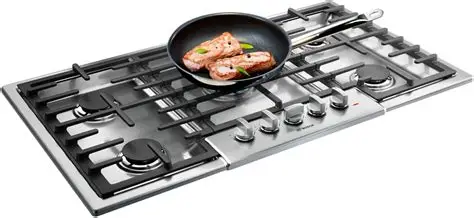
This Bosch gas cooktop brings professional-grade performance to home kitchens. Featuring powerful burners, robust grates, and sleek stainless steel, it is built for speed and durability.
The heavy-duty construction and uniform flame delivery make it an excellent choice for gourmet cooking. Its advanced ignition system ensures reliable startup every time.
Benefits
Bosch integrates precise engineering technology to ensure uniform heating, durability, and long-term safety. The wide burner spacing allows easy use of large pots.
Use Case and Problem Solved
Best for big families and home chefs who cook frequently. It solves overcrowded burner layouts and offers high heat for fast cooking.
Duxtop 9600LS Induction Cooktop
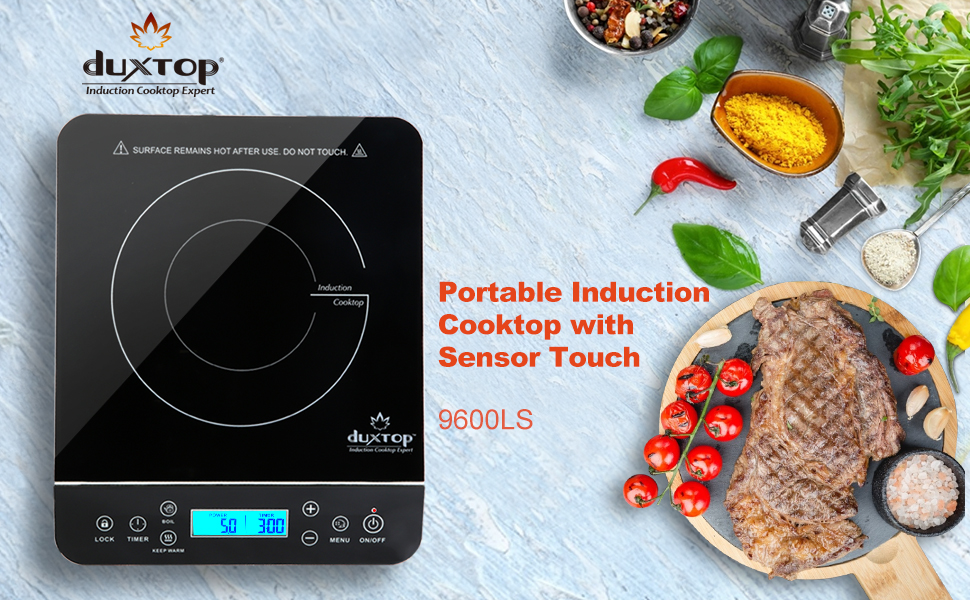
The Duxtop 9600LS is one of the most advanced portable induction cooktops available. Its digital touch control panel, 20 temperature levels, and ultra-fast heating make it efficient and easy to use.
This compact induction stove is perfect for small households, students, RVs, or extra cooking zones during gatherings. It supports all induction-compatible cookware.
Benefits
Induction technology ensures rapid heating, precise temperature adjustments, and excellent energy savings. The lightweight design enhances mobility.
Use Case and Problem Solved
Ideal for kitchens with limited space or renters who prefer portable appliances. It solves slow heating problems and unnecessary power consumption.
Philips Viva Collection Induction Cooktop
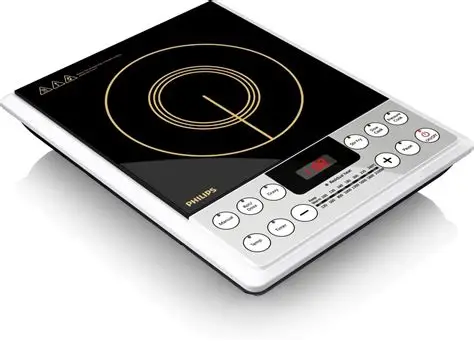
Buy Philips Viva Collection HD4928/01 2100-Watt Induction
Philips Viva induction cooktops are known for their user-friendly preset cooking modes, including frying, boiling, slow cooking, and more. This model incorporates efficient sensor technology for optimal heating.
Its modern, flat surface ensures effortless cleaning. The built-in safety system automatically turns off the stove when cookware is removed.
Benefits
Preset programs simplify cooking for beginners. Energy-efficient operation reduces electricity bills, while sensor technology improves cooking accuracy.
Use Case and Problem Solved
Ideal for families seeking safe, modern cooking solutions. Solves issues like overheating, inaccurate flame control, and kitchen heat buildup.
GE Profile 30-Inch Induction Cooktop
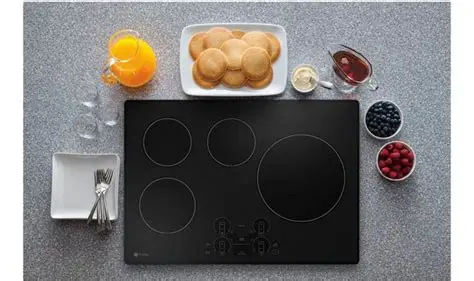
GE Profile Induction Cooktop 30 in Built-In Touch Control
The GE Profile Induction Cooktop offers premium features such as synchronized burners, multi-zone heating, and smart technology compatibility. It delivers high-end performance for modern homes.
Its sleek black glass surface integrates seamlessly into kitchen countertops, while pan detection ensures safe operation.
Benefits
Smart technology enhances control, while synchronized heating zones allow you to cook large dishes evenly. Its premium materials ensure long-term durability.
Use Case and Problem Solved
Perfect for smart homes and modern kitchens. Solves uneven cooking and provides advanced automation for busy families.
Which Is Better: Gas or Induction?
Your final decision depends on your cooking style, budget, safety needs, and kitchen environment.
Choose a Gas Stove If:
• You need traditional flame control
• You frequently cook dishes requiring charring or high heat
• Your region has affordable gas prices
• You want maximum cookware compatibility
Choose an Induction Stove If:
• You prefer fast and energy-efficient cooking
• Safety is a top priority
• You want easier cleaning and maintenance
• You use modern cookware
• You want a minimalistic or smart kitchen setup
Frequently Asked Questions
1. Is an induction stove cheaper to run than a gas stove?
Usually yes. Induction is more energy-efficient and converts more power directly into heat, reducing long-term operating costs.
2. Does induction cooking require special cookware?
Yes, induction requires magnetic cookware such as cast iron or stainless steel with an induction-compatible base.
3. Which lasts longer: gas or induction?
Both can last years with proper maintenance, but induction cooktops often require less cleaning and have fewer parts that can wear out.

Comments are closed.