

Coastal home designs in the USA combine timeless aesthetics with practical engineering to withstand challenging environmental conditions. These homes are built to embrace natural surroundings while offering durability against salt air, humidity, and strong coastal winds.
From beach houses along the Atlantic coast to modern oceanfront homes in California, coastal architecture emphasizes openness, light, and resilience. By selecting the best coastal home materials in the USA to buy, homeowners can create properties that maintain their beauty and performance over time.
This guide explores essential design principles, materials, technologies, and real-world product solutions that define successful coastal home construction.
Understanding Coastal Home Design Principles
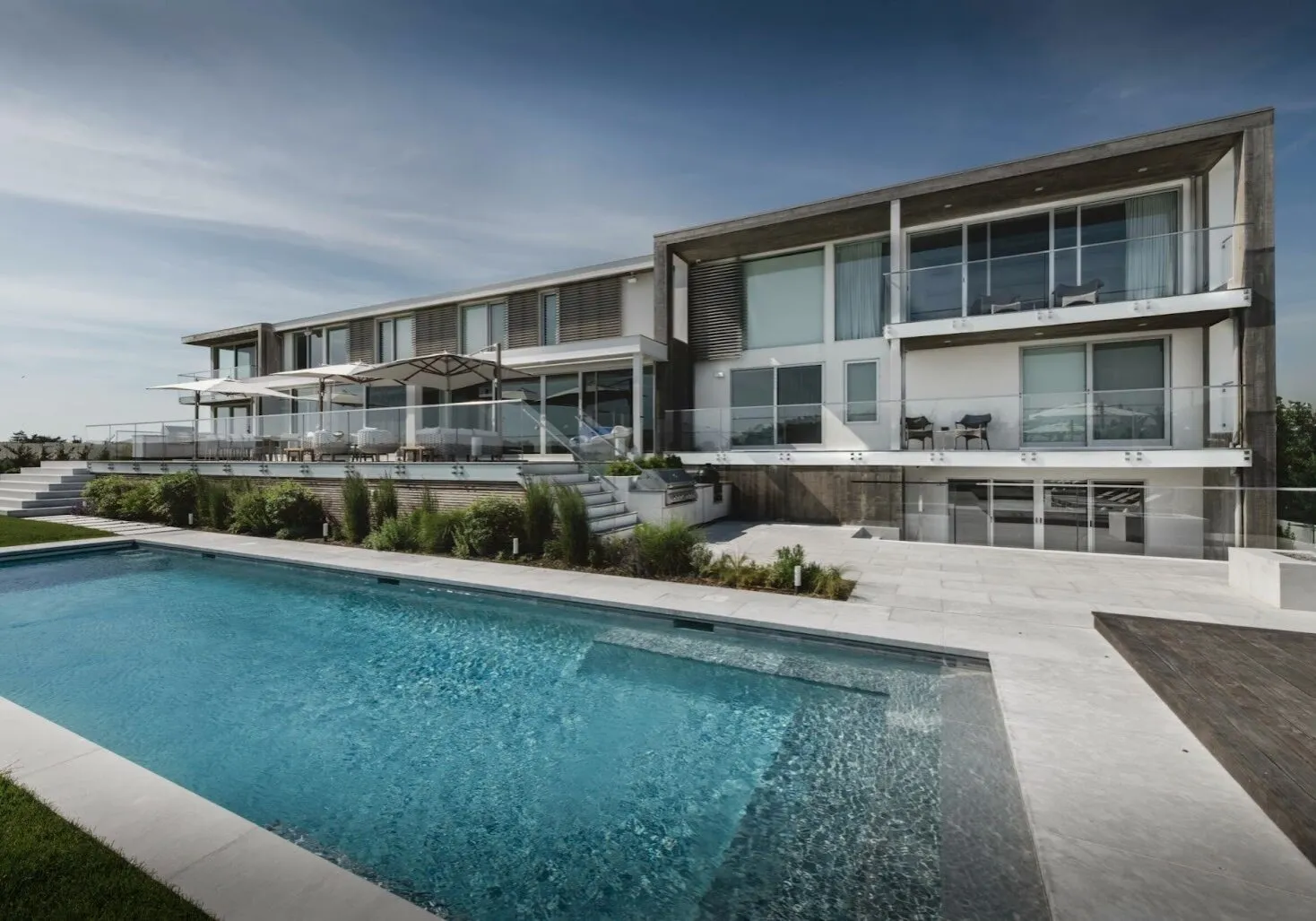
Coastal homes are designed to balance visual appeal with environmental durability.
Open Layouts and Natural Light
Coastal homes typically feature open floor plans that enhance airflow and maximize sunlight. Large windows and sliding glass doors create a seamless connection between indoor and outdoor spaces.
These design choices not only improve ventilation but also reduce reliance on artificial lighting. Natural light enhances the interior ambiance and creates a more inviting living environment.
Additionally, open layouts allow for flexible use of space, making coastal homes ideal for both relaxation and entertainment.
Elevated Structures for Flood Protection
Elevation is a key feature in many coastal homes. Raised foundations protect the structure from flooding and storm surges.
This design approach reduces the risk of water damage and increases the longevity of the home. It also helps meet building regulations in flood-prone areas.
Elevated homes often provide additional space underneath, which can be used for parking or storage.
Essential Materials for Coastal Homes
Choosing the right materials is critical for long-term performance.
Moisture-Resistant Exterior Materials
Coastal environments expose homes to constant moisture and salt air. Materials must be resistant to corrosion and decay.
Fiber cement siding, treated wood, and composite materials are commonly used because they can withstand these conditions.
These materials help reduce maintenance costs and ensure the home remains structurally sound.
Corrosion-Resistant Fixtures and Hardware
Metal components in coastal homes must be resistant to rust and corrosion. Stainless steel and specially coated metals are preferred choices.
Using high-quality fixtures prevents deterioration and extends the lifespan of the home’s systems.
This is particularly important for outdoor areas and exposed surfaces.
Best Coastal Home Materials USA to Buy
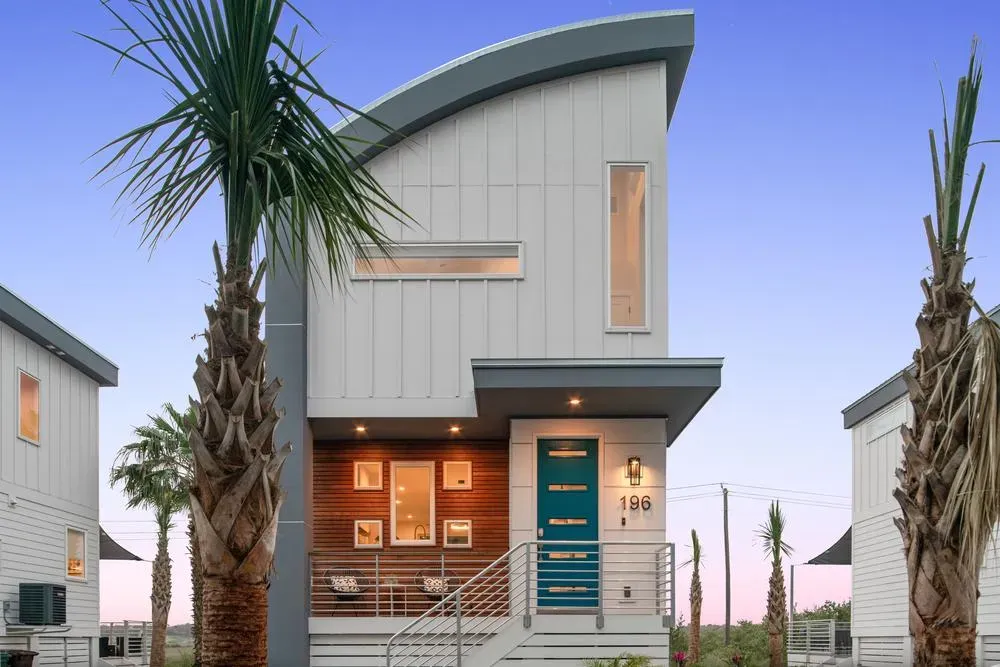
Durable Fiber Cement Siding for Exterior Protection
Fiber cement siding is engineered to resist moisture, salt, and extreme weather conditions.
This product solves the problem of exterior damage caused by humidity and salt exposure. Traditional wood siding can warp, crack, or rot over time.
The benefit is long-lasting durability and minimal maintenance. It retains its appearance and structural integrity even in harsh environments.
Use case: Ideal for protecting the exterior walls of coastal homes.
How to buy: Available through authorized dealers, home improvement stores, and online platforms.
Impact-Resistant Windows for Storm Protection
Impact-resistant windows are designed to withstand strong winds and flying debris during storms.
This product addresses the risk of structural damage during hurricanes and severe weather events.
The benefit is improved safety, energy efficiency, and noise reduction. These windows also enhance insulation.
Use case: Essential for homes in hurricane-prone coastal regions.
How to buy: Available through window manufacturers and specialized retailers.
Composite Decking for Low-Maintenance Outdoor Spaces
Composite decking offers a durable and low-maintenance alternative to traditional wood.
This product solves the problem of frequent repairs and upkeep required for wooden decks in coastal environments.
The benefit is resistance to moisture, fading, and insects. It provides a long-lasting and visually appealing outdoor surface.
Use case: Ideal for patios, balconies, and outdoor entertainment areas.
How to buy: Available at building supply stores and online retailers.
Smart Thermostat for Climate Control
A smart thermostat helps regulate indoor temperature and humidity levels efficiently.
This product addresses the challenge of maintaining comfort in fluctuating coastal climates.
The benefit is energy savings and enhanced convenience. It allows remote control and automated adjustments.
Use case: Ideal for improving indoor comfort and reducing energy costs.
How to buy: Available through electronics stores and online marketplaces.
Stainless Steel Fixtures for Corrosion Resistance
Stainless steel fixtures are designed to resist rust and corrosion caused by salt air.
This product solves the issue of deteriorating hardware in coastal environments.
The benefit is durability and long-term reliability. It maintains its appearance and functionality over time.
Use case: Suitable for kitchens, bathrooms, and outdoor installations.
How to buy: Available at home improvement stores and plumbing suppliers.
Benefits of Smart Technology in Coastal Homes

Modern technology enhances both comfort and efficiency.
Energy Efficiency and Cost Savings
Smart systems optimize energy usage by adjusting heating, cooling, and lighting based on occupancy.
This reduces utility costs and improves sustainability. Efficient systems also contribute to a more comfortable living environment.
Over time, energy-efficient technology can significantly lower overall maintenance expenses.
Enhanced Safety and Monitoring
Smart home devices allow homeowners to monitor their property remotely. This is particularly useful for vacation homes.
Security systems, cameras, and sensors provide real-time updates and alerts.
These technologies help prevent damage and ensure peace of mind.
Practical Design Tips for Coastal Homes
Small decisions can have a big impact on overall performance.
Use Light Colors and Natural Materials
Light colors reflect heat and create a bright, airy atmosphere. Natural materials complement the coastal environment.
These design choices enhance comfort and visual appeal.
They also contribute to a relaxing and welcoming ambiance.
Prioritize Ventilation and Airflow
Proper ventilation prevents moisture buildup and improves indoor air quality.
Strategic placement of windows and vents ensures effective airflow.
This is essential for maintaining a healthy and comfortable living space.
How to Choose the Right Coastal Home Products
Selecting the right products ensures long-term success.
Focus on durability, resistance to environmental conditions, and ease of maintenance. High-quality products provide better performance and longevity.
You can purchase coastal home materials from:
- Home improvement stores
- Specialized building suppliers
- Online marketplaces
Investing in reliable products reduces the risk of damage and ensures long-term satisfaction.
Frequently Asked Questions
What are the best materials for coastal homes?
Fiber cement siding, composite decking, and stainless steel fixtures are ideal due to their resistance to moisture and corrosion.
Why are impact-resistant windows important?
They protect homes from storm damage and improve energy efficiency.
How can I maintain a coastal home effectively?
Use durable materials, ensure proper ventilation, and perform regular maintenance to prevent damage.

Comments are closed.