

Building a deck is one of the most rewarding home improvement projects. With the right deck construction plans, homeowners can transform unused outdoor space into a functional area for relaxation, entertainment, and family gatherings. Whether you are planning a small backyard deck or a large multi-level structure, having a clear plan is essential for success.
Deck construction is not just about assembling wood and screws. It involves careful planning, choosing the right materials, understanding structural requirements, and using the correct tools. A well-designed deck increases property value, enhances outdoor living, and provides long-term usability.
This guide will walk you through everything you need to know about deck construction plans, including design principles, essential products, and how to choose the best materials for your project.
Understanding the Basics of Deck Construction Plans
Importance of Proper Planning Before Building
Every successful deck project starts with a detailed plan. Deck construction plans outline dimensions, materials, structural support, and layout. Without a clear plan, projects often face delays, budget overruns, or structural issues.
Planning helps you visualize the final result. It ensures that your deck fits your available space and meets your functional needs. For example, if you plan to host gatherings, you may need a larger deck with seating areas. If you prefer a quiet retreat, a smaller, more private design may be ideal.
Proper planning also ensures compliance with local building codes. This includes railing height, load capacity, and foundation requirements. Ignoring these factors can lead to safety risks and costly modifications later.
Key Components of a Deck Structure
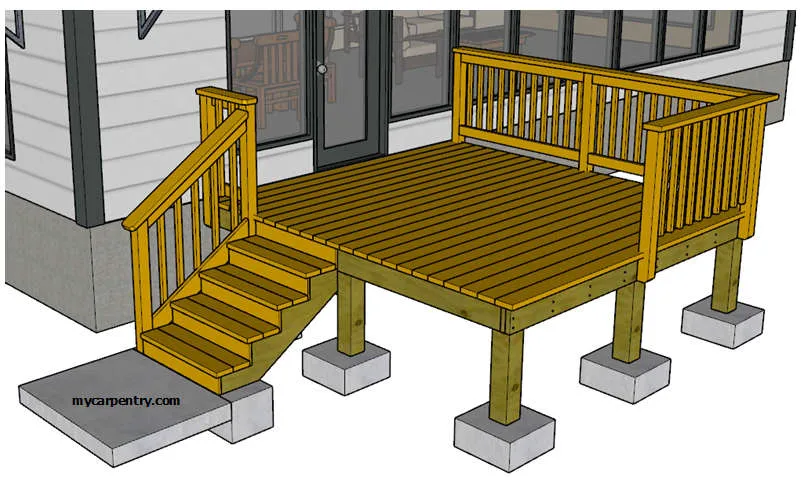
A deck consists of several critical components that work together to create a stable structure. These include the foundation, framing, decking boards, railings, and fasteners.
The foundation supports the entire structure and must be strong enough to handle weight and environmental conditions. Framing provides the skeleton, while decking boards create the visible surface.
Understanding these components helps you make better decisions when selecting materials and tools. It also ensures your deck remains safe and durable over time.
Choosing the Right Materials for Deck Construction
Wood vs Composite Decking Materials
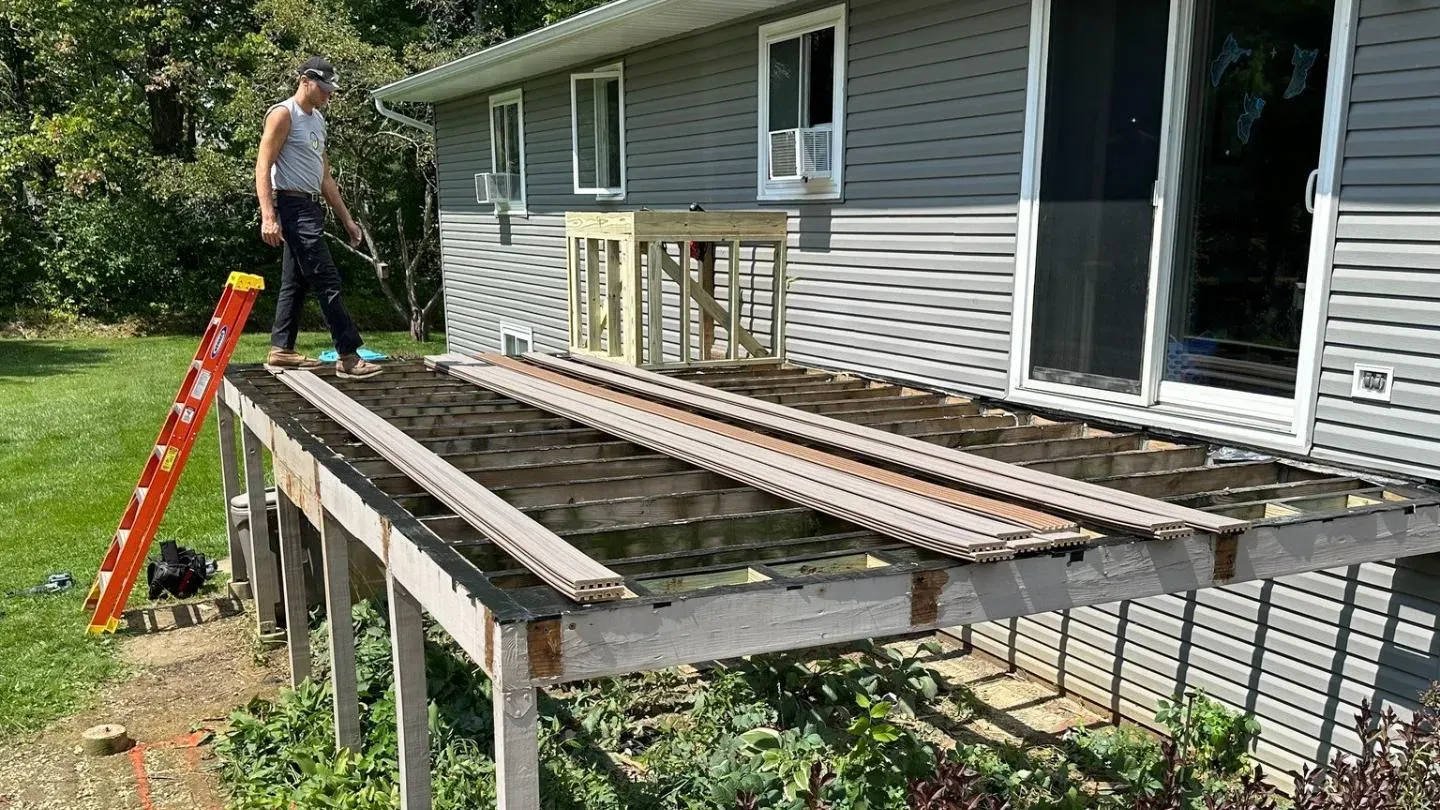
One of the most important decisions in deck construction is choosing between wood and composite materials. Wood offers a natural look and is often more affordable initially. However, it requires regular maintenance such as sealing and staining.
Composite decking, on the other hand, is made from a blend of wood fibers and plastic. It is designed to resist moisture, insects, and fading. While it may have a higher upfront cost, it requires less maintenance over time.
Choosing the right material depends on your budget, climate, and maintenance preferences. Both options have their advantages, and understanding these differences is key to making the right choice.
Durability and Weather Resistance
Durability is a critical factor in deck construction. Outdoor decks are exposed to sunlight, rain, and temperature changes. Materials must be able to withstand these conditions without deteriorating.
Composite decking and treated wood are popular choices for their resistance to weather damage. High-quality materials reduce maintenance costs and extend the lifespan of your deck.
Investing in durable materials ensures your deck remains safe and visually appealing for years.
Essential Products for Deck Construction Plans
Composite Decking Boards for Long-Term Performance
Composite decking boards are a top choice for modern deck construction. They offer durability, low maintenance, and a clean appearance.
This product solves the problem of frequent maintenance associated with traditional wood decks. Homeowners do not need to worry about staining, sealing, or termite damage.
Composite decking is ideal for families who want a long-lasting outdoor space without constant upkeep. It also resists fading, making it perfect for areas with strong sunlight.
How to Buy:
Available through home improvement stores and authorized dealers.
Pressure-Treated Lumber for Structural Strength
Pressure-treated lumber is commonly used for the structural framework of decks. It is treated with chemicals to resist rot, insects, and moisture.
This material is essential for ensuring the stability of your deck. It provides a strong foundation that supports the entire structure.
It is widely available and cost-effective, making it a popular choice for both DIY builders and professionals.
Use Case:
Best for framing and support structures.
How to Buy:
Available at major hardware and building supply stores.
Deck Fasteners and Hidden Clips for a Clean Finish
Fasteners play a crucial role in deck construction. Hidden fasteners provide a clean and seamless look by eliminating visible screws.
This product improves both aesthetics and safety. Without exposed screws, the deck surface becomes smoother and safer to walk on.
It also simplifies installation, making it easier for DIY builders to achieve professional results.
How to Buy:
Available at hardware stores and online retailers.
Deck Railing Systems for Safety and Style
Deck railings are essential for safety, especially for elevated decks. Modern railing systems combine durability with stylish design.
This product enhances both functionality and appearance. It protects while adding a modern touch to your deck.
It is particularly useful for families with children or elderly members, ensuring safety without compromising aesthetics.
How to Buy:
Available through specialty suppliers and contractors.
Outdoor Deck Lighting for Enhanced Functionality
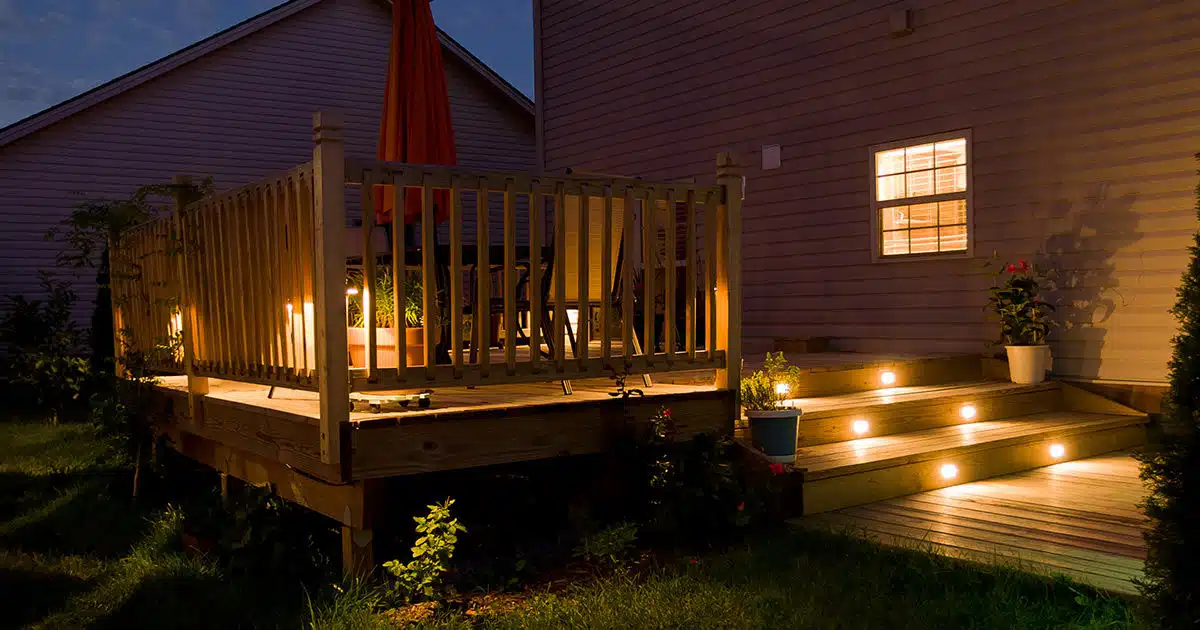
Lighting is often overlooked in deck construction plans, but it plays a significant role in usability. Outdoor lighting extends the functionality of your deck into the evening.
This product improves safety by illuminating stairs and pathways. It also creates a warm and inviting atmosphere for gatherings.
Modern lighting systems are energy-efficient and easy to install, making them a valuable addition to any deck.
How to Buy:
Available at lighting stores and online retailers.
Benefits of Using Modern Technology in Deck Construction
Precision and Efficiency in Building
Modern tools and materials have made deck construction more precise and efficient. Pre-engineered components and advanced fasteners simplify the building process.
This reduces errors and speeds up construction time. Even DIY builders can achieve professional-quality results with the right tools.
Technology also improves accuracy, ensuring that measurements and alignments are correct.
Long-Term Cost Savings and Sustainability
Using advanced materials such as composite decking reduces maintenance costs over time. These materials are designed to last longer and require less upkeep.
Sustainable options are also becoming more popular. Many composite materials are made from recycled content, making them environmentally friendly.
This combination of durability and sustainability makes modern deck construction more efficient and responsible.
How to Choose the Best Deck Construction Plan
Assess Your Space and Needs
Before selecting a plan, evaluate your available space and how you intend to use the deck. Consider factors such as size, layout, and functionality.
A well-designed plan ensures that your deck meets your lifestyle needs. Whether you want a space for entertaining or relaxing, the design should reflect your priorities.
Set a Realistic Budget
Budget is a key factor in deck construction. Consider both material costs and labor expenses.
Choosing the right balance between quality and affordability ensures a successful project without overspending.
Frequently Asked Questions
What is the best material for deck construction?
Composite decking is often considered the best option due to its durability and low maintenance, while wood remains a popular choice for its natural appearance.
Do I need a permit to build a deck?
In most cases, yes. Local building codes typically require permits for deck construction to ensure safety and compliance.
How long does it take to build a deck?
The timeline depends on the size and complexity of the project, but most decks can be completed within one to three weeks.

Comments are closed.