

Choosing the right siding for your home is a decision that affects not only appearance but also durability, maintenance costs, and long-term value. When homeowners search for how to compare siding materials, they are often trying to find a balance between aesthetics, performance, and budget.
Siding is more than just an exterior finish. It protects your home from harsh weather, improves insulation, and contributes to energy efficiency. With so many options available today, understanding the strengths and weaknesses of each material is essential.
This comprehensive guide will help you evaluate the best siding materials for your house, explore real-world product options, and understand how each choice impacts your home’s performance and value.
Why Comparing Siding Materials Matters
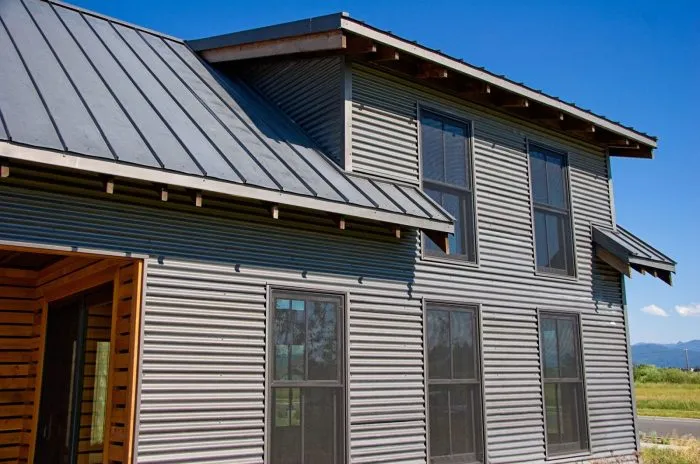
Long-Term Protection and Structural Integrity
The primary function of siding is to protect your home from environmental damage. Rain, heat, wind, and humidity constantly impact your home’s exterior. Choosing the wrong material can result in water infiltration, mold growth, and structural damage over time.
High-quality siding materials act as a protective shield. They prevent moisture from penetrating walls, reduce the risk of cracks, and maintain the structural integrity of your home. This is especially important in regions with extreme weather conditions.
When you compare siding materials carefully, you are essentially investing in long-term protection. The right choice reduces repair costs and ensures your home remains durable for decades.
Influence on Energy Efficiency and Comfort
Modern siding materials are designed to improve insulation. Some options include built-in insulation layers that help regulate indoor temperatures.
This means your home stays cooler during hot seasons and warmer during colder months. As a result, energy consumption decreases, leading to lower utility bills.
Energy-efficient siding also enhances indoor comfort. You experience fewer temperature fluctuations, creating a more stable and pleasant living environment.
Key Factors to Consider When Comparing Siding Materials
Durability and Weather Resistance
Durability is one of the most important factors when choosing siding. Materials like fiber cement and metal offer excellent resistance to weather, fire, and pests.
On the other hand, materials like wood provide natural beauty but require more maintenance to maintain their durability. Understanding how each material performs in your specific climate is essential.
A durable siding material ensures fewer repairs and a longer lifespan, making it a cost-effective investment over time.
Maintenance Requirements and Lifespan
Different siding materials require different levels of maintenance. Vinyl and metal siding are known for their low maintenance, while wood siding requires regular painting or sealing.
Homeowners need to consider how much time and effort they are willing to invest in maintenance. Choosing a low-maintenance material can save both time and money in the long run.
The lifespan of siding materials also varies. Some options can last decades with minimal upkeep, making them ideal for long-term homeowners.
Best Siding Materials with Real Product Examples
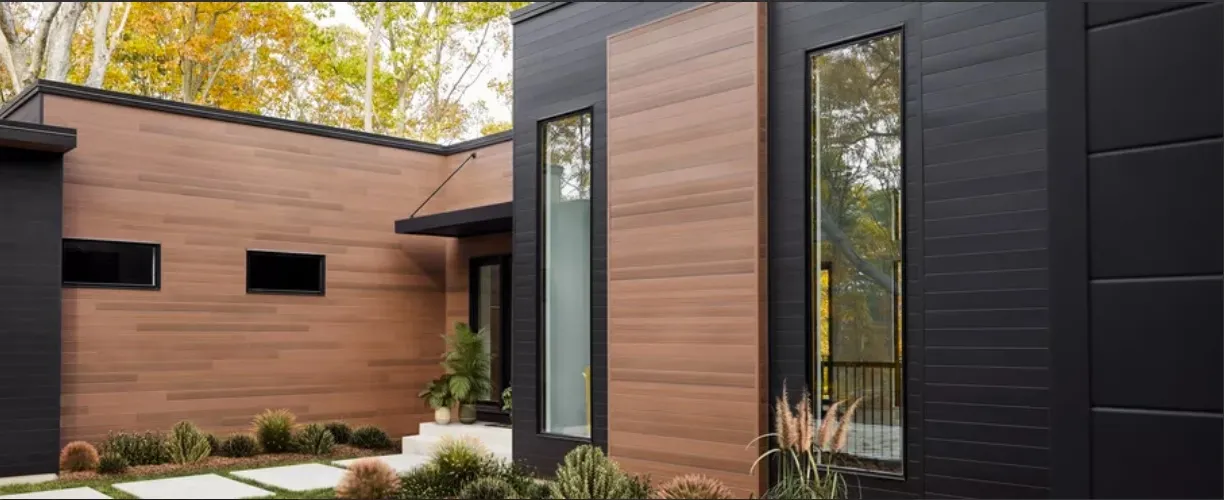
Vinyl Siding for Affordable and Low-Maintenance Homes
Vinyl siding is one of the most widely used options due to its affordability and versatility. It is made from durable PVC material, which makes it resistant to moisture, insects, and rot.
This product is ideal for homeowners who want a cost-effective solution without sacrificing visual appeal. It comes in a wide range of colors and textures, allowing customization without the need for painting.
One of the biggest problems vinyl siding solves is maintenance. Unlike wood, it does not require regular repainting. This makes it perfect for busy homeowners who want a clean exterior without constant upkeep.
Use Case:
Best for residential homes where budget and low maintenance are top priorities.
Why People Need It:
It reduces long-term maintenance costs and provides a clean, modern look.
How to Buy:
Available through home improvement stores, contractors, and official distributors.
Fiber Cement Siding for Maximum Durability
Fiber cement siding is known for its exceptional strength and resistance to harsh conditions. Made from a mixture of cement, sand, and fibers, it is designed to withstand extreme weather, fire, and pests.
This material is perfect for homeowners who prioritize durability. It can mimic the appearance of wood while offering superior performance and longevity.
A major issue this product solves is long-term damage. Unlike traditional materials, fiber cement resists cracking, warping, and rotting. This reduces repair costs significantly.
Use Case:
Ideal for homes in areas with extreme weather conditions.
Why People Need It:
It offers long-term protection and reduces maintenance concerns.
How to Buy:
Available through certified contractors and building supply retailers.
Wood Siding for Natural and Premium Aesthetics
Wood siding provides a timeless and natural appearance that many homeowners desire. It adds warmth and character to any home design.
This material is often chosen for its aesthetic value. It blends seamlessly with natural surroundings and creates a premium look that synthetic materials cannot fully replicate.
However, wood siding requires maintenance. Regular sealing or painting is necessary to protect it from moisture and pests. Despite this, many homeowners choose it for its unmatched beauty.
Use Case:
Best for homeowners who value design and natural aesthetics.
Why People Need It:
It enhances curb appeal and increases perceived property value.
How to Buy:
Available at lumber yards and specialty suppliers.
Metal Siding for Modern and Industrial Homes
Metal siding, typically made from steel or aluminum, offers a sleek and modern look. It is highly durable and resistant to fire, pests, and extreme weather.
This product is ideal for contemporary home designs. It provides a clean and industrial aesthetic while delivering long-lasting performance.
Metal siding solves the problem of frequent repairs. Its durability ensures minimal wear and tear, even in challenging environments.
Use Case:
Perfect for modern homes and commercial-style buildings.
Why People Need It:
It offers longevity, low maintenance, and a unique visual appeal.
How to Buy:
Available through construction suppliers and specialized retailers.
Engineered Wood Siding for Balanced Performance
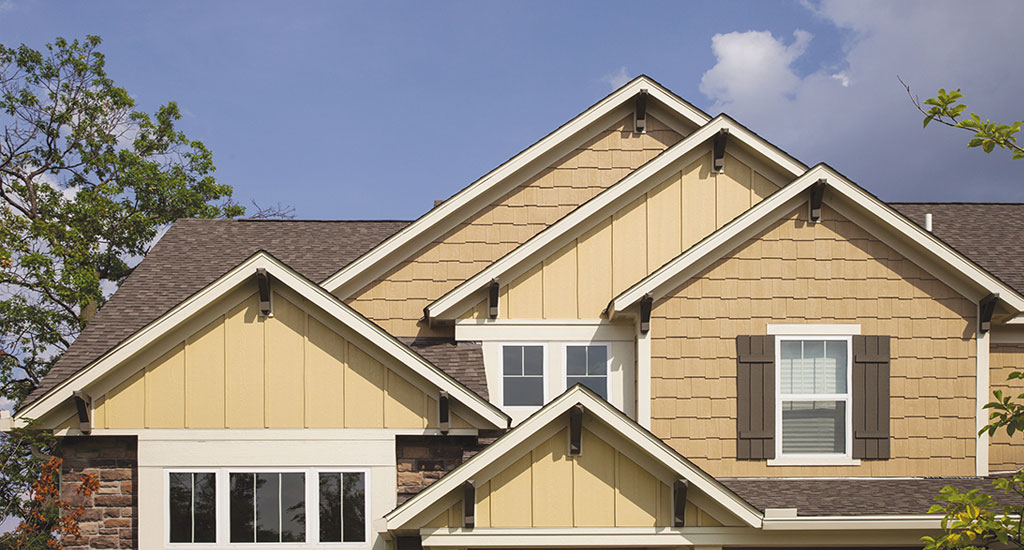
Engineered wood siding combines the beauty of natural wood with improved durability. It is treated to resist moisture, termites, and fungal decay.
This material offers a balance between aesthetics and performance. It provides the look of real wood without the high maintenance requirements.
It solves the common problem of wood deterioration. Homeowners get the visual appeal of wood while benefiting from enhanced durability.
Use Case:
Ideal for homeowners who want a natural look with less maintenance.
Why People Need It:
It offers both style and durability in one solution.
How to Buy:
Available at building supply stores and authorized dealers.
Benefits of Modern Siding Technology
Advanced Insulation and Energy Savings
Modern siding materials are designed with energy efficiency in mind. Some products include insulated backing that reduces heat transfer.
This leads to lower energy bills and improved indoor comfort. Homes remain cooler in hot weather and warmer in cold conditions.
Energy-efficient siding is especially valuable for homeowners looking to reduce long-term utility costs.
Enhanced Durability Through Innovation
Technological advancements have significantly improved siding performance. Materials are now more resistant to UV rays, moisture, and physical impact.
This means fewer repairs and a longer lifespan. Homeowners can enjoy peace of mind knowing their siding will perform well over time.
How to Choose the Right Siding for Your Home
Match Material to Climate Conditions
Different climates require different siding solutions. For example, fiber cement works well in extreme weather, while vinyl performs best in moderate climates.
Choosing a material suited to your environment ensures better performance and longevity.
Balance Budget and Long-Term Value
While some siding materials have higher upfront costs, they may offer better long-term value through durability and reduced maintenance.
Homeowners should consider both initial investment and future savings when making a decision.
Frequently Asked Questions
What is the best siding material for long-term durability?
Fiber cement and metal siding are considered the most durable options due to their resistance to weather, fire, and pests.
Which siding material requires the least maintenance?
Vinyl and metal siding are the easiest to maintain, requiring minimal cleaning and no repainting.
How do I choose the right siding for my home?
Consider your climate, budget, maintenance preferences, and desired aesthetic. Comparing these factors will help you select the best siding material for your needs.

Comments are closed.