

Understanding the new siding cost is one of the most important steps for homeowners planning an exterior renovation. New siding is not just a cosmetic upgrade; it is a long-term investment that impacts energy efficiency, maintenance expenses, durability, and property value. Whether you are replacing old siding or installing it for the first time, knowing the cost factors helps you make informed decisions.
New siding costs can vary significantly depending on material type, house size, labor, location, and product quality. Some siding options offer a lower upfront cost, while others deliver better long-term savings through durability and reduced maintenance. This guide breaks down everything you need to know so you can choose the right siding for your budget and needs.
What Determines New Siding Cost
Material Type and Quality
The most influential factor in new siding cost is the material you choose. Common siding materials include vinyl, fiber cement, engineered wood, metal, and natural wood. Each material has its own price range, lifespan, and performance characteristics.
Lower-cost materials like vinyl are popular due to affordability and easy installation, while premium materials such as fiber cement and engineered wood cost more upfront but offer superior durability and visual appeal. High-quality siding materials often come with longer warranties, better resistance to weather, and improved insulation properties.
Choosing the right material is not just about the initial price. Homeowners should consider how long the siding will last and how much it will cost to maintain over time.
Labor and Installation Complexity
Labor plays a significant role in determining the final new siding cost. Installation costs vary based on the complexity of the project, the condition of existing siding, and local labor rates. Removing old siding, repairing damaged walls, or installing insulation can increase labor expenses.
Some siding materials require specialized installation techniques, which can raise labor costs. For example, fiber cement siding needs precise cutting and handling, while vinyl siding installs faster and requires fewer specialized tools.
Hiring experienced contractors ensures proper installation, which directly affects siding performance and longevity.
Home Size and Architectural Design
The size and shape of your home also influence new siding. Larger homes require more materials and labor, increasing total expenses. Homes with multiple stories, complex rooflines, or unique architectural features can also raise installation costs.
Architectural details such as dormers, trim, and decorative elements require additional materials and labor. While these features enhance curb appeal, they should be factored into your siding budget.
Benefits of Investing in New Siding
Improved Energy Efficiency and Comfort
New siding can significantly improve your home’s energy efficiency. Modern siding products often integrate insulation or work well with insulated backing systems. This helps regulate indoor temperatures and reduces heating and cooling costs.
By sealing gaps and protecting the building envelope, new siding minimizes air leaks. Homeowners often notice more consistent indoor temperatures and lower utility bills after installing new siding.
Energy-efficient siding also supports eco-friendly living by reducing overall energy consumption.
Enhanced Curb Appeal and Property Value
One of the most noticeable benefits of new siding is improved curb appeal. Fresh, modern siding instantly transforms the appearance of a home, making it look newer and more attractive.
Homes with updated siding often have higher resale value. Buyers are more willing to pay a premium for properties with durable, low-maintenance exteriors. New siding signals that the home has been well-maintained and upgraded.
This makes new siding a smart investment for homeowners planning to sell in the future.
Reduced Maintenance and Long-Term Savings
Older siding materials often require frequent painting, sealing, or repairs. New siding materials are designed to be low-maintenance, saving homeowners time and money.
Durable siding reduces the risk of water damage, mold, and pest infestations. Over time, this translates into fewer repair costs and less stress for homeowners.
Although the new siding cost may seem high initially, the long-term savings often outweigh the upfront expense.
Real-World Siding Products and Their Cost Value
James Hardie Fiber Cement Siding

James Hardie Fiber Cement Sidingis a premium option known for durability and weather resistance. While the new siding cost for fiber cement is higher than vinyl, it delivers exceptional long-term value.
James Hardie siding resists fire, moisture, and pests, making it suitable for various climates. It also features factory-applied finishes that last longer than traditional paint.
Homeowners who choose this product often benefit from lower maintenance costs and increased home value.
LP SmartSide Engineered Wood Siding

LP SmartSide Siding combines the beauty of wood with advanced engineering. It offers a mid-range new siding cost while delivering excellent durability.
LP SmartSide resists impact, moisture, and insects better than traditional wood siding. It also provides a natural wood appearance without the high maintenance requirements.
This product is well-suited for homeowners who want classic aesthetics with modern performance.
Alside Insulated Vinyl Siding
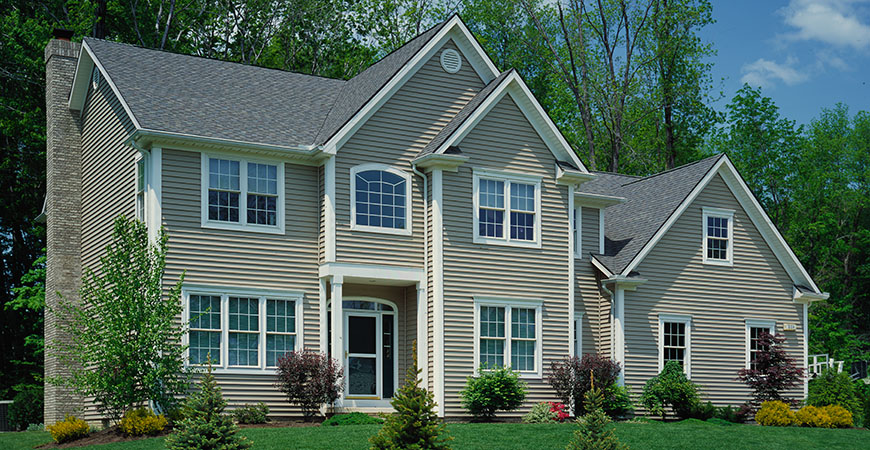
Alside Insulated Vinyl Siding is designed to improve energy efficiency while maintaining affordability. The insulated backing helps reduce heat loss and noise.
Although insulated vinyl costs more than standard vinyl, it offers better energy savings over time. Homeowners often see reduced heating and cooling bills after installation.
This product is ideal for homes in extreme climates.
Nichiha Architectural Panels

Nichiha Architectural Panels are a premium siding solution with a higher new siding cost. These panels are commonly used in modern and luxury homes.
Nichiha panels offer sleek designs, superior durability, and low maintenance. They are ideal for homeowners prioritizing architectural style and long-term performance.
Use Cases: Problems New Siding Solves
Fixing Weather Damage and Structural Issues
Old or damaged siding can allow moisture to penetrate walls, leading to rot, mold, and structural damage. New siding protects your home from rain, wind, and temperature extremes.
Replacing siding prevents further deterioration and costly repairs. This makes new siding a necessary upgrade rather than just a cosmetic improvement.
Lowering Energy Bills and Improving Comfort
Homes with outdated siding often suffer from poor insulation. New siding systems help seal the building envelope and reduce energy loss.
This improves indoor comfort and lowers monthly utility bills, especially in hot or cold climates.
Updating Outdated Home Exteriors
Outdated siding can make a home look old and neglected. New siding modernizes the exterior and aligns it with current design trends.
This is especially beneficial for homeowners planning to sell or rent their property.
How and Where to Buy New Siding
Buying Through Manufacturers and Contractors
Most homeowners purchase siding through authorized dealers or contractors. This ensures proper installation and warranty coverage.
Manufacturers often provide product consultations and recommend certified installers in your area.
Online Research and Price Comparisons
Many siding brands offer online tools to estimate new siding cost based on home size and material choice. This helps homeowners plan budgets and compare options.
Frequently Asked Questions
1. How much does new siding cost on average?
New siding cost typically ranges from affordable vinyl options to premium fiber cement or architectural panels, depending on material, labor, and home size.
2. Is new siding worth the investment?
Yes, new siding improves energy efficiency, reduces maintenance costs, and increases property value, making it a worthwhile long-term investment.
3. Which siding material offers the best value?
Fiber cement and engineered wood often provide the best balance between durability, appearance, and long-term savings, despite higher upfront costs.

Comments are closed.