

Selecting the best siding for your house is one of the most important decisions a homeowner can make. Siding not only defines your home’s appearance but also protects it from weather damage, pests, and temperature fluctuations. Modern siding combines aesthetics with advanced technology, offering energy efficiency, durability, and low maintenance.
This guide provides detailed information on the best siding options for houses in 2025. You will find real-world product examples, benefits, use cases, and buying guidance to ensure you make a well-informed decision that protects your home and enhances its value.
Understanding House Siding
What Is Siding and Why It Matters
Siding is the protective outer layer installed on the exterior walls of a house. Its primary purpose is to shield the structure from rain, wind, UV rays, pests, and temperature extremes. Beyond protection, siding plays a critical role in improving curb appeal and increasing property value.
Choosing high-quality siding ensures your home remains structurally sound, aesthetically pleasing, and energy-efficient. Low-quality or outdated siding can deteriorate, allowing moisture and pests to damage your home over time.
Key Considerations When Choosing Siding
When deciding the best siding for your house, factors such as material type, climate compatibility, durability, maintenance requirements, and budget must be considered. Additionally, aesthetic appeal is important for matching your home’s style and increasing resale value.
The right siding provides long-term savings by reducing repair costs, improving energy efficiency, and minimizing the need for frequent maintenance. Homeowners should also consider warranties and manufacturer reliability when evaluating options.
Benefits of Installing the Best Siding for House
Enhanced Protection Against Weather and Pests
The best siding acts as a barrier against environmental hazards. Advanced materials like fiber cement, metal, and vinyl protect homes from rain, snow, UV damage, and pest infiltration. Proper installation prevents water infiltration, which reduces risks of mold, rot, and structural damage.
High-quality siding also resists cracking, warping, and fading, keeping your home safe and visually appealing for years.
Improved Energy Efficiency and Comfort
Modern siding options often include insulation or can be paired with additional insulating materials to improve energy efficiency. This helps regulate indoor temperatures, reduces heating and cooling costs, and creates a more comfortable living environment.
Energy-efficient siding can significantly lower utility bills while contributing to a sustainable and eco-friendly home exterior.
Modern Technology in Home Siding
Advanced Materials and Manufacturing Techniques
Contemporary siding is manufactured with advanced techniques that enhance strength, durability, and weather resistance. Fiber cement siding, for example, combines cement, sand, and cellulose fibers to provide a long-lasting, low-maintenance alternative to wood. Vinyl siding now features reinforced panels, UV protection, and fade-resistant finishes.
These innovations allow homeowners to select siding that is both visually appealing and built to withstand decades of environmental stress.
Low-Maintenance Features
The best siding for houses often incorporates low-maintenance features such as interlocking panels, moisture barriers, and protective coatings. These technologies reduce the need for regular painting, sealing, or repairs, saving homeowners time and money.
Some modern siding options also integrate seamlessly with smart home technology for enhanced monitoring and protection.
Top Siding Products for Houses
CertainTeed Vinyl Siding
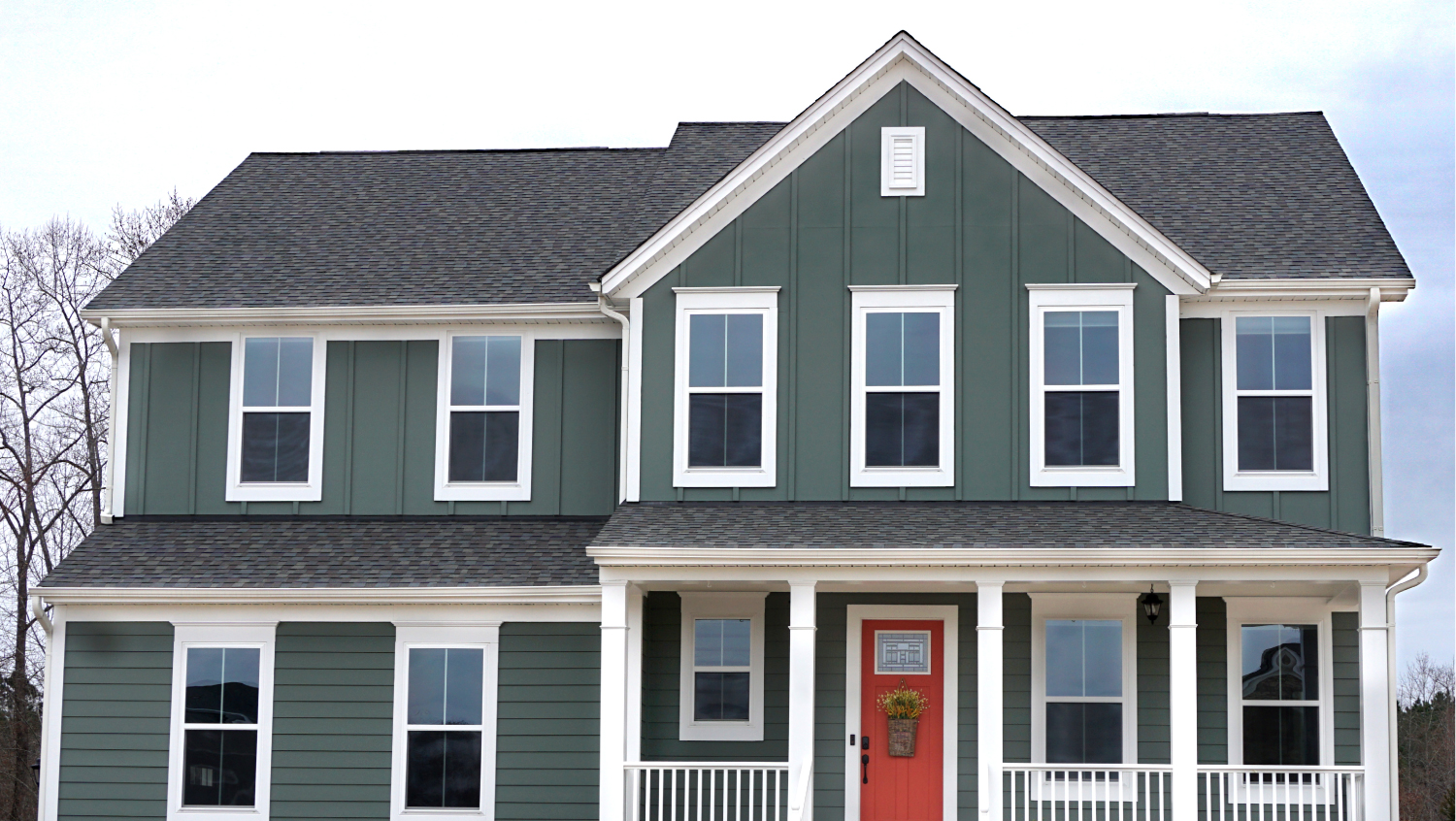
CertainTeed Vinyl Siding is a widely popular choice for homeowners seeking affordability without compromising quality. It is lightweight, durable, and resistant to moisture and pests. CertainTeed offers a variety of textures and colors to suit different architectural styles.
Benefits and Use Case
CertainTeed Vinyl Siding is perfect for budget-conscious homeowners who want long-lasting protection and minimal maintenance. It solves problems like peeling paint, rotting wood, and weather-related damage while enhancing home aesthetics.
James Hardie Fiber Cement Siding

James Hardie Fiber Cement Siding is a premium siding solution combining durability, fire resistance, and a wood-like appearance. It resists pests, weather damage, and UV fading, making it a long-term investment for any home.
Benefits and Use Case
Fiber cement siding is ideal for homeowners living in harsh climates. It addresses structural vulnerabilities, prevents moisture infiltration, and eliminates the need for frequent painting or repairs.
LP SmartSide Engineered Wood Siding
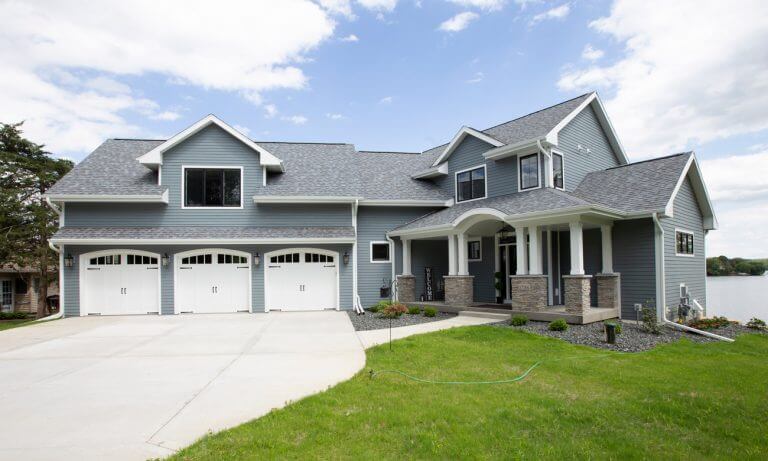
LP SmartSide Engineered Wood Siding offers natural wood aesthetics with enhanced durability. Treated with proprietary resins, it resists moisture, insects, and impact damage.
Benefits and Use Case
This siding is ideal for homeowners who want authentic wood looks without high maintenance. It solves issues like warping, rot, and insect infestation while maintaining a classic appearance.
Alside Insulated Vinyl Siding
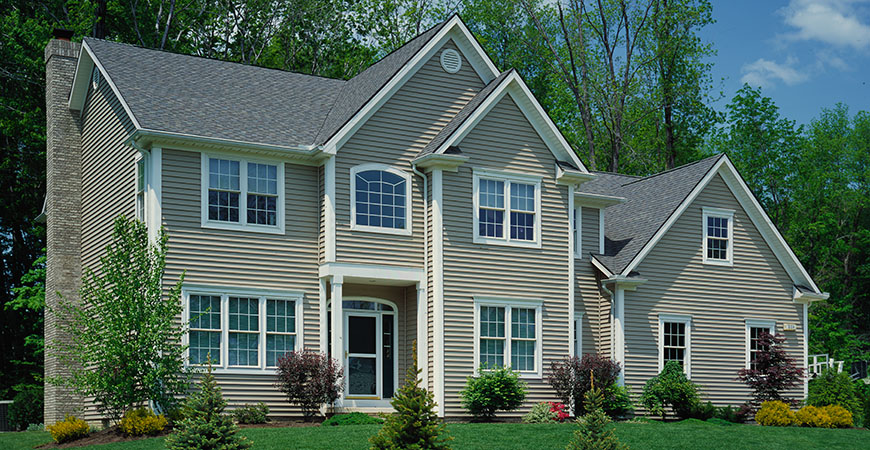
Alside Insulated Vinyl Siding combines traditional vinyl siding with built-in insulation, improving energy efficiency and structural rigidity. It is resistant to fading, cracking, and impact.
Benefits and Use Case
Alside siding is perfect for energy-conscious homeowners. It addresses heat loss, drafts, and rising utility costs while reinforcing the home exterior.
Why Homeowners Should Invest in the Best Siding
Solving Structural and Aesthetic Challenges
Old or damaged siding can lead to water infiltration, pest problems, and diminished curb appeal. Installing high-quality siding resolves these issues while enhancing the exterior appearance of your home.
Increasing Home Value and Marketability
Replacing siding with premium materials boosts property value and improves market appeal. Homes with modern siding often sell faster and at higher prices due to better aesthetics, energy efficiency, and durability.
How to Buy the Best Siding for House
Selecting the Right Siding
Evaluate material durability, climate suitability, aesthetics, and maintenance requirements. Request multiple quotes from contractors to get accurate cost estimates.
Recommended Purchase Sources
Siding materials are available from manufacturers and authorized dealers. Professional installation ensures warranty coverage and optimal performance.
Frequently Asked Questions
1. What is the best siding material for houses?
Fiber cement, vinyl, and engineered wood are among the most popular choices due to durability, low maintenance, and aesthetic appeal. The best option depends on budget, climate, and design preference.
2. How long does the best siding for a house last?
Vinyl siding lasts 20–40 years, fiber cement 30–50 years, and metal siding can exceed 50 years when properly installed and maintained.
3. Can siding improve my home’s energy efficiency?
Yes, insulated siding or siding installed with additional insulation reduces heat loss, lowers utility bills, and improves indoor comfort.

Comments are closed.