

Understanding house siding cost is essential for homeowners planning an exterior renovation or replacement project. Siding not only protects your home from weather and structural damage but also plays a major role in curb appeal, energy efficiency, and long-term property value. This guide provides a complete breakdown of siding costs, technology benefits, real-world siding products, and how to purchase the right solution for your home.
What Determines House Siding Cost
House siding cost varies widely depending on the type of material, home size, labor costs, and installation complexity. On average, homeowners can expect to spend between $5,000 and $20,000 for a full siding installation. Vinyl siding tends to be the most affordable, while fiber cement and engineered wood siding fall into mid-range pricing with higher durability benefits.
Another major factor influencing cost is the condition of your home’s exterior. Older homes may require sheathing repairs, insulation upgrades, or removal of existing siding. These additional requirements can increase total costs but also improve long-term performance, energy efficiency, and protection.
Benefits of Investing in Quality House Siding
High-quality siding delivers more than just visual improvement. Modern siding materials are engineered to resist moisture, pests, UV exposure, and temperature fluctuations. This reduces long-term maintenance costs and protects the structural integrity of your home.
Quality siding also improves energy efficiency by acting as an additional insulation layer. Many homeowners experience reduced heating and cooling costs after upgrading siding, making the investment financially beneficial over time while increasing resale value.
Siding Technology and Material Performance Advantages
Advancements in siding technology have transformed traditional materials into high-performance exterior systems. Vinyl siding now includes impact-resistant panels and fade-resistant finishes. Engineered wood siding incorporates resins and treatments that prevent rot and insect damage.
Fiber cement siding combines cement, sand, and cellulose fibers to create a fire-resistant, weatherproof solution. These technologies solve common problems such as cracking, warping, mold growth, and frequent repainting, offering homeowners peace of mind and long-term savings.
Real-World House Siding Products and Cost Value
CertainTeed Monogram Vinyl Siding

CertainTeed Monogram Vinyl Siding is a premium vinyl siding option designed for durability and long-lasting color retention. It offers a wide range of textures and profiles that mimic real wood without the maintenance.
This product is ideal for homeowners seeking affordable house siding installation with excellent weather resistance. It solves problems such as fading, moisture penetration, and frequent repainting while maintaining a clean, modern exterior appearance.
James Hardie HardiePlank Fiber Cement Siding
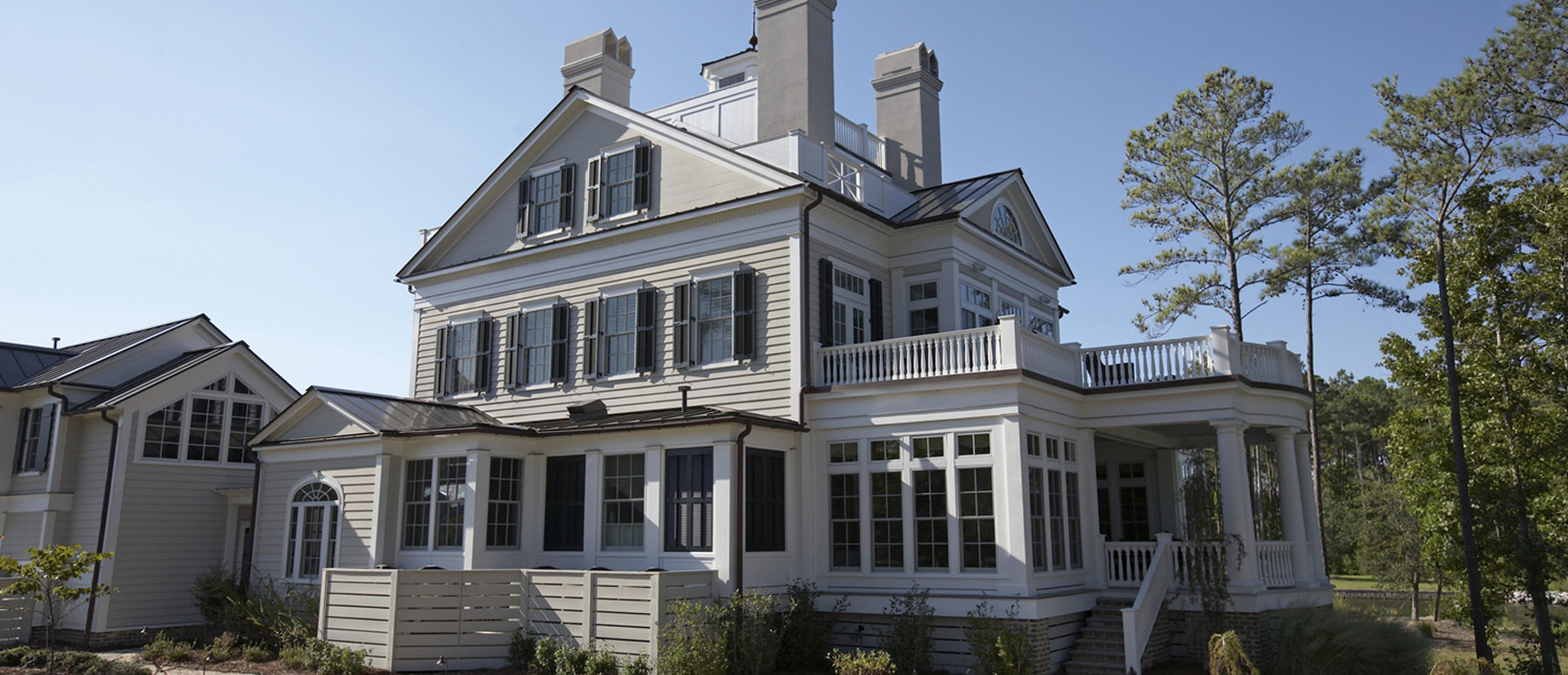
James Hardie HardiePlank Fiber Cement Siding is known for its exceptional durability and fire resistance. It is designed to withstand extreme weather, including high winds, heavy rain, and temperature fluctuations.
HardiePlank siding addresses the problem of recurring exterior damage in harsh climates. Homeowners choose this product for its long lifespan, minimal maintenance, and ability to significantly increase home value despite a higher upfront cost.
LP SmartSide Engineered Wood Siding

LP SmartSide Engineered Wood Siding offers the natural appearance of wood with enhanced protection against rot, termites, and moisture. Its engineered construction provides superior impact resistance compared to traditional wood siding.
This siding solves the issue of frequent wood replacement and maintenance. It is ideal for homeowners who want a wood-like aesthetic with modern durability and lower lifetime costs.
Ply Gem Durables Vinyl Siding

Ply Gem Durables Vinyl Siding is designed for impact resistance and low maintenance. It offers consistent color performance and strong resistance to environmental damage.
This siding is ideal for homeowners in storm-prone areas. It solves the issue of frequent repairs and helps reduce overall house siding cost by minimizing long-term maintenance expenses.
Use Cases and Problems House Siding Solves
House siding addresses several critical homeowner challenges. Old or damaged siding allows moisture infiltration, which can lead to mold, rot, and structural damage. New siding provides a protective barrier that preserves the integrity of exterior walls.
Another common use case involves energy inefficiency. Homes with outdated siding often experience heat loss in winter and excessive heat gain in summer. Modern siding materials reduce these issues, improving indoor comfort and lowering energy bills.
Affordable House Siding Installation Options
Affordable house siding installation is achievable by selecting the right material and contractor. Vinyl siding remains the most cost-effective option for full-home coverage. Engineered wood provides a balance between cost and durability, while fiber cement offers maximum longevity.
Homeowners can reduce installation costs by scheduling projects during off-peak seasons and obtaining multiple contractor quotes. Proper planning ensures quality installation without unnecessary expenses.
How and Where to Buy House Siding
House siding products are available through manufacturer-authorized dealers, local building supply stores, and home improvement retailers. Many brands offer online tools to locate certified installers and distributors.
Frequently Asked Questions
Q1. What is the average house siding cost?
The average house siding cost ranges from $5,000 to $20,000 depending on material, home size, labor, and preparation work required.
Q2. Which siding material offers the best value?
Vinyl siding offers the most affordable upfront cost, while fiber cement and engineered wood provide better long-term durability and return on investment.
Q3. Is siding replacement worth the cost?
Yes, replacing siding improves energy efficiency, protects against structural damage, enhances curb appeal, and increases overall property value.

Comments are closed.