

Caring for indoor plants can be one of the most rewarding ways to enhance your living space, improve indoor air quality, and create a peaceful home environment. Whether you’re nurturing your first plant or maintaining a growing collection, learning how to care for indoor plants properly is essential to keeping them thriving year-round.
This comprehensive guide covers lighting, watering, humidity control, soil types, fertilizers, pest prevention, and the best plant-care products available today. You’ll also find real-world examples, detailed benefits, use cases, and how to buy each item.
Importance of Proper Lighting
Light is one of the most critical factors for plant health. Indoor plants differ widely in their lighting needs, from bright indirect light to low-light environments. Knowing the natural habitat of your plant helps you provide the correct lighting intensity.
Most tropical plants thrive in bright indirect light, which mimics the forest canopy. Succulents and cacti prefer direct sunlight, while low-light plants like the ZZ Plant and Snake Plant tolerate dimmer corners. Understanding these differences helps prevent common problems such as yellowing leaves, root rot, or stunted growth.
Why Watering Matters
Watering is often where beginners struggle the most. Overwatering leads to root rot, while underwatering causes wilting and crispy leaves. Each plant requires a specific moisture level depending on its species, pot size, and indoor environment. Learning how to monitor soil moisture and adjust watering frequency is key to healthy plant care.
Essential Steps for Caring for Indoor Plants
Understanding Soil and Nutrients
Well-draining soil keeps roots healthy and ensures proper oxygen flow. Using the wrong type of soil can suffocate roots or cause poor nutrient absorption. Tropical plants do best with rich, airy mixes, while succulents need gritty, fast-draining soils.
Nutrients are equally important. Indoor plants rely on fertilizers to replace nutrients lost through watering. Using a balanced fertilizer at the right intervals promotes lush growth, vibrant leaves, and strong root systems.
Controlling Humidity and Temperature
Indoor plants thrive in humidity levels between 40–60%. Dry air from heating or air conditioning can stress plants, causing brown leaf tips. Monitoring humidity and using tools like humidifiers or pebble trays can dramatically improve plant health.
Temperature also plays a role. Most indoor plants prefer temperatures between 65–75°F (18–24°C). Dramatic temperature swings or cold drafts can cause leaf drop or slow growth.
Best Products for Caring for Indoor Plants
Below are five real-world products that help you successfully care for indoor plants. Each product includes an image prompt, detailed explanation, benefits, use cases, and purchase instructions.
Sustee Aquameter Moisture Sensor
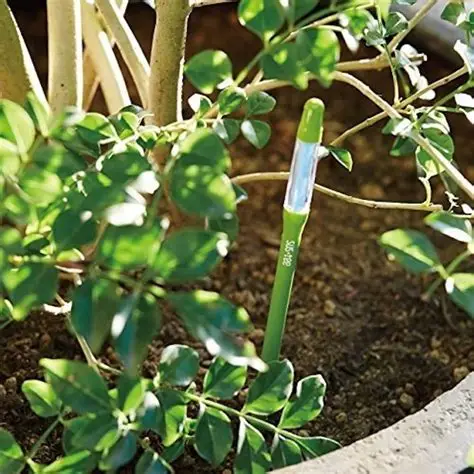
The Sustee Aquameter Moisture Sensor is an innovative watering tool designed to help you determine when your indoor plants need water. This slim device is inserted into the soil and changes color based on moisture levels. It is particularly helpful for beginners who struggle with overwatering or underwatering.
The Aquameter uses a replaceable core that absorbs moisture and signals soil hydration. It is available in different sizes to match the depth of small, medium, or large pots.
Benefits
-
Prevents overwatering, reducing risk of root rot
-
Helps maintain proper moisture levels for plant health
-
Easy-to-read color indicator (blue for wet, white for dry)
-
Supports consistent watering schedules
Use Case
If you often forget when you last watered your plants or you struggle with soil dryness confusion, this product solves the issue. The moisture indicator removes guesswork and ensures healthier roots.
AeroGarden Harvest Indoor Hydroponic Garden
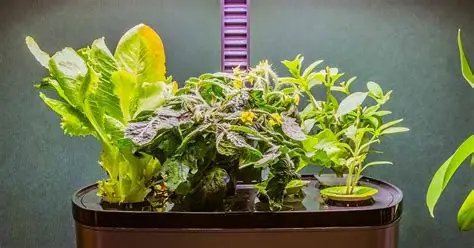
The AeroGarden Harvest is a compact indoor hydroponic system that allows plants to grow without soil. Using LED grow lights and water-based nutrients, this product creates optimal growing conditions for herbs, leafy greens, and small houseplants.
Its control panel reminds you when to add water or plant food, making plant care nearly effortless. The 20W LED grow lights are designed to mimic natural sunlight for faster growth.
Benefits
-
Allows year-round indoor growth
-
Ideal for apartments with limited natural light
-
Automated reminders help beginners
-
Faster plant growth compared to soil
Use Case
If you want lush indoor plants but live in a low-light home, the AeroGarden solves this problem by providing built-in lighting and nutrient systems. It’s also perfect for growing edible herbs on a kitchen counter.
LEVOIT Classic 300S Ultrasonic Smart Humidifier
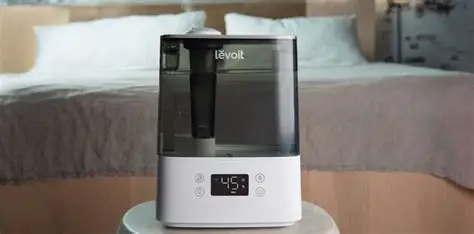
The LEVOIT Classic 300S Humidifier is a high-capacity ultrasonic humidifier that maintains consistent humidity essential for tropical plants. Using smart app controls, it lets you set humidity ranges, timers, and schedules. The 6-liter tank allows continuous use for up to 60 hours.
It is whisper-quiet and safe for bedrooms, making it ideal for plant owners who want humidity benefits without noise disruption.
Benefits
-
Boosts humidity for tropical plants
-
Smart control via app for automatic adjustments
-
Large tank reduces refilling frequency
-
Helps prevent brown leaf tips and crispy foliage
Use Case
If your plants suffer from dry air, especially during winter or in AC-heavy climates, this humidifier solves that issue by stabilizing humidity levels and improving plant health.
Miracle-Gro Indoor Plant Food
Miracle-Gro Indoor Plant Food is a liquid fertilizer formulated to support indoor plant growth, root development, and leaf color. It works for potted foliage plants, tropicals, succulents, and flowering varieties.
With a gentle nutrient formula, it can be mixed with water or applied directly to the soil. It absorbs quickly, making it ideal for frequent and safe use.
Benefits
-
Provides nutrients quickly for stronger plants
-
Easy-to-use liquid formula
-
Helps improve color, vibrancy, and growth
-
Suitable for a wide range of indoor plants
Use Case
If your plants appear dull, slow-growing, or pale, this product solves nutrient deficiency issues and helps revive stressed plants.
Mosser Lee Decorative Moss
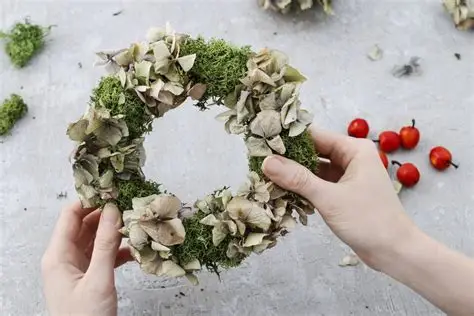
Decorative Reindeer Moss
Mosser Lee Decorative Moss enhances both the aesthetics and health of indoor plants. Placed on top of soil, moss helps retain moisture, reduce soil splash during watering, and improve humidity around the plant base.
It also provides a polished look, making your plant pots more decorative and suitable for home displays.
Benefits
-
Helps soil retain moisture
-
Adds aesthetic finishing touch
-
Reduces dirt movement and evaporation
-
Supports humidity retention for tropical plants
Use Case
If your soil dries too quickly or looks plain, decorative moss solves this problem by improving moisture retention and enhancing pot appearance.
Detailed Indoor Plant Care Techniques
Watering Techniques
Understanding Plant Water Needs
Different plants have different watering requirements. Succulents need minimal water, while tropical plants prefer consistently moist soil. Learning when to water based on soil texture, pot type, and environment is essential.
The best method is to check soil moisture using your finger or a moisture meter before watering. Water deeply until excess drains through the bottom this encourages strong root growth.
Avoiding Common Watering Mistakes
Overwatering is the number one plant killer. Signs include yellow leaves, mushy stems, and musty odors. Plants also suffer when watered on a strict schedule instead of based on need.
Using proper drainage pots, well-aerated soil, and tools like moisture sensors helps prevent root rot and improves long-term plant health.
Lighting and Placement
Determining Light Levels
Indoor light varies by room direction and window type. South-facing windows offer the most bright light, while north-facing windows provide gentle, constant light.
Understanding how to measure or identify lighting conditions prevents issues like leaf drop, leggy growth, or leaf burn.
Adjusting Plant Placement
If a plant is stretching toward the window or producing small leaves, it needs more light. Rotating your plant every few weeks promotes even growth and prevents leaning.
Soil and Fertilizing
Choosing the Right Soil Mix
Soil determines drainage, nutrient availability, and plant stability. Tropical mixes typically include peat, bark, and perlite. Succulent mixes include sand, gravel, and volcanic rock.
Using the right soil increases oxygenation and prevents moisture-related issues.
Fertilizing for Healthy Growth
Indoor plants need regular feeding during active growing seasons (spring and summer). Liquid fertilizers, slow-release pellets, and organic options help replenish nutrients lost through watering.
Humidity and Temperature
How Humidity Affects Plants
Most indoor plants are tropical, meaning they expect humid environments. Dry homes can stress plants, leading to crispy tips, curled leaves, and slow growth.
Tools like humidifiers, pebble trays, and misting can restore moisture balance.
Keeping Temperature Stable
Drafts, heaters, and cold windows can shock plants. Keeping plants away from vents and ensuring consistent temperatures helps prevent shock.
Where to Buy Indoor Plant Care Essentials
Reliable online stores include:
-
Amazon: huge selection and fast shipping
-
The Sill: curated plant care tools
-
Bloomscape: premium indoor plants and accessories
-
AeroGarden: indoor hydroponic systems
-
LEVOIT: smart home climate products
FAQ
1. How often should I water my indoor plants?
Most indoor plants need water when the top 1–2 inches of soil feel dry. However, this varies by plant type, pot size, and environment. Using a moisture meter helps determine the exact timing.
2. Why are my plant’s leaves turning yellow?
Yellow leaves often indicate overwatering, poor drainage, or low light. Adjusting watering habits and improving light exposure usually solves the issue.
3. What is the easiest indoor plant for beginners?
Beginner-friendly plants include Pothos, Snake Plant, Peace Lily, and ZZ Plant due to their tolerance for low light and infrequent watering.

Comments are closed.